Morocco is not one uniform cycling destination. In November, altitude, exposure, wind, recent rainfall and daylight can change the feel of a ride from one region to the next. Begin with the experience you want, then check the route profile, access and support plan for your dates.
What changes when you cycle Morocco in November?
November sits later in the autumn transition, so riders should be prepared for cooler starts and a wider range of conditions between lowlands and higher terrain. A sunny afternoon in a lower valley does not guarantee that an exposed mountain route will be comfortable, dry or accessible. Equally, a cool morning should not be used to assume every southern route will be cold throughout the day.
Shorter daylight also affects stage planning. Long climbs, technical descents, transfers and stops can take more time than expected, particularly when a group has varied fitness or experience. A good itinerary includes time for breaks, an honest estimate of ride duration and a clear plan for adapting the route if conditions change.
Ask for the actual route, altitude range, expected riding time and contingency options. A broad seasonal description is useful background, but it cannot replace a route-specific check close to departure.
Choose the right Moroccan region
High Atlas Mountains
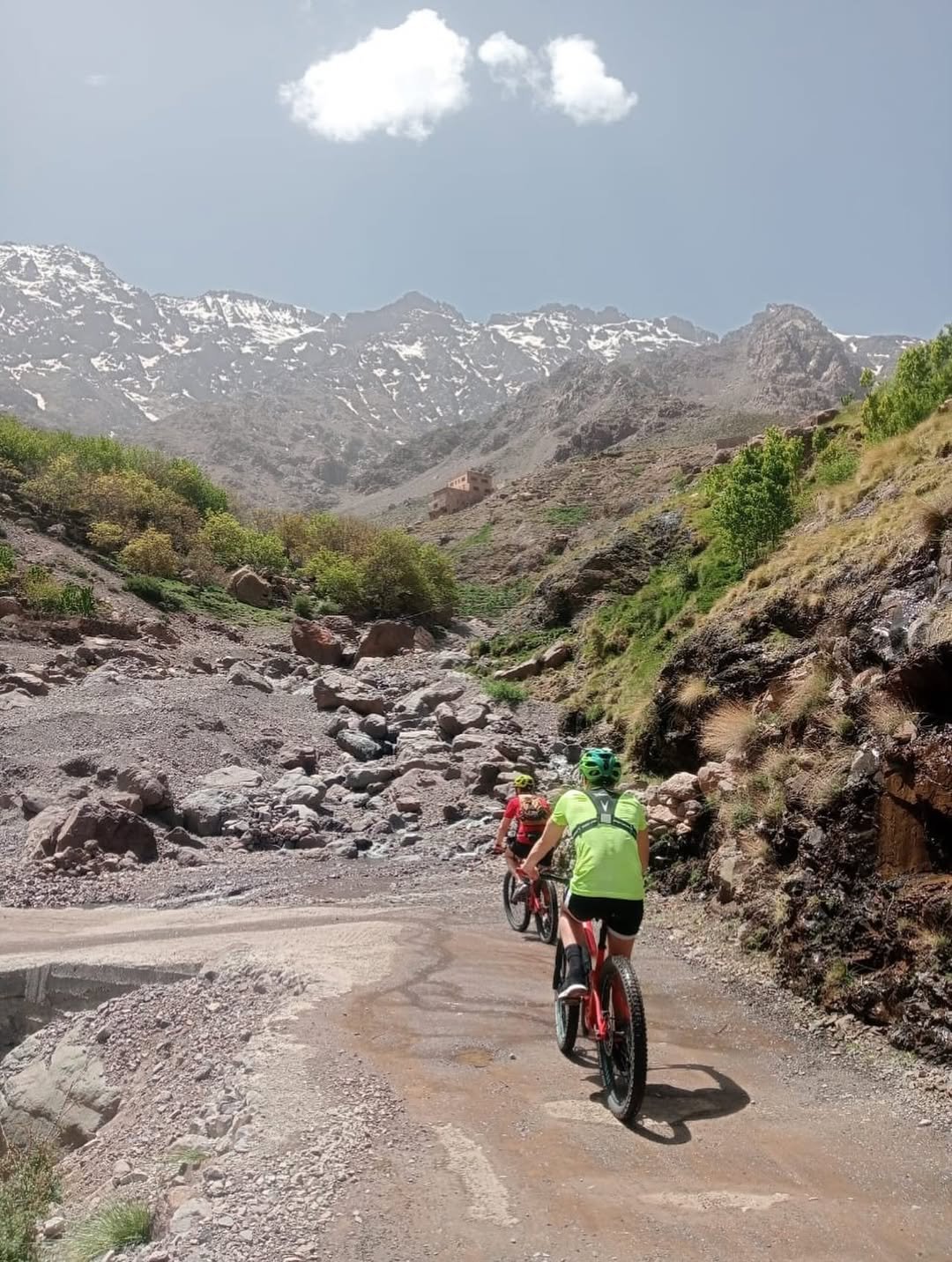
The High Atlas offers mountain tracks, village paths and routes with very different levels of technical difficulty. In November, higher and more exposed sections deserve particular attention because temperatures and weather can differ from conditions in the foothills. Confirm the intended elevation, surface, climbing, exposure and whether access or trail conditions will be checked before the ride. Ask what lower-altitude alternative is available if the planned route is unsuitable.
Marrakech and Agafay
The landscapes around Marrakech and Agafay can be considered for a day ride or as one part of a longer trip. Rocky open terrain may have limited shade, and wind or recent weather can affect comfort and the surface under tyres. Clarify the start point, transfer time, distance, amount of climbing, expected technical features and where water stops are planned.
Southern Morocco and the Sahara
Southern routes can combine desert landscapes, rural tracks and long distances between services. A remote stage needs a practical plan for drinking water, food, navigation, communication and mechanical support. Confirm how the group is supported, where resupply happens and what happens if a rider needs to stop or a vehicle cannot reach a section directly. Avoid assuming that services will be available simply because a route passes near a settlement on the map.
Atlantic Coast
Coastal and inland routes near the Atlantic can offer a different option from the mountains, but wind, road traffic and route surface still matter. Discuss whether the itinerary uses paved roads, gravel tracks or a mixture, and whether the chosen bike and tyres suit the planned surfaces. When travelling point to point, consider wind direction and the time needed to complete the stage without rushing.
Match the cycling style to the route
Mountain biking
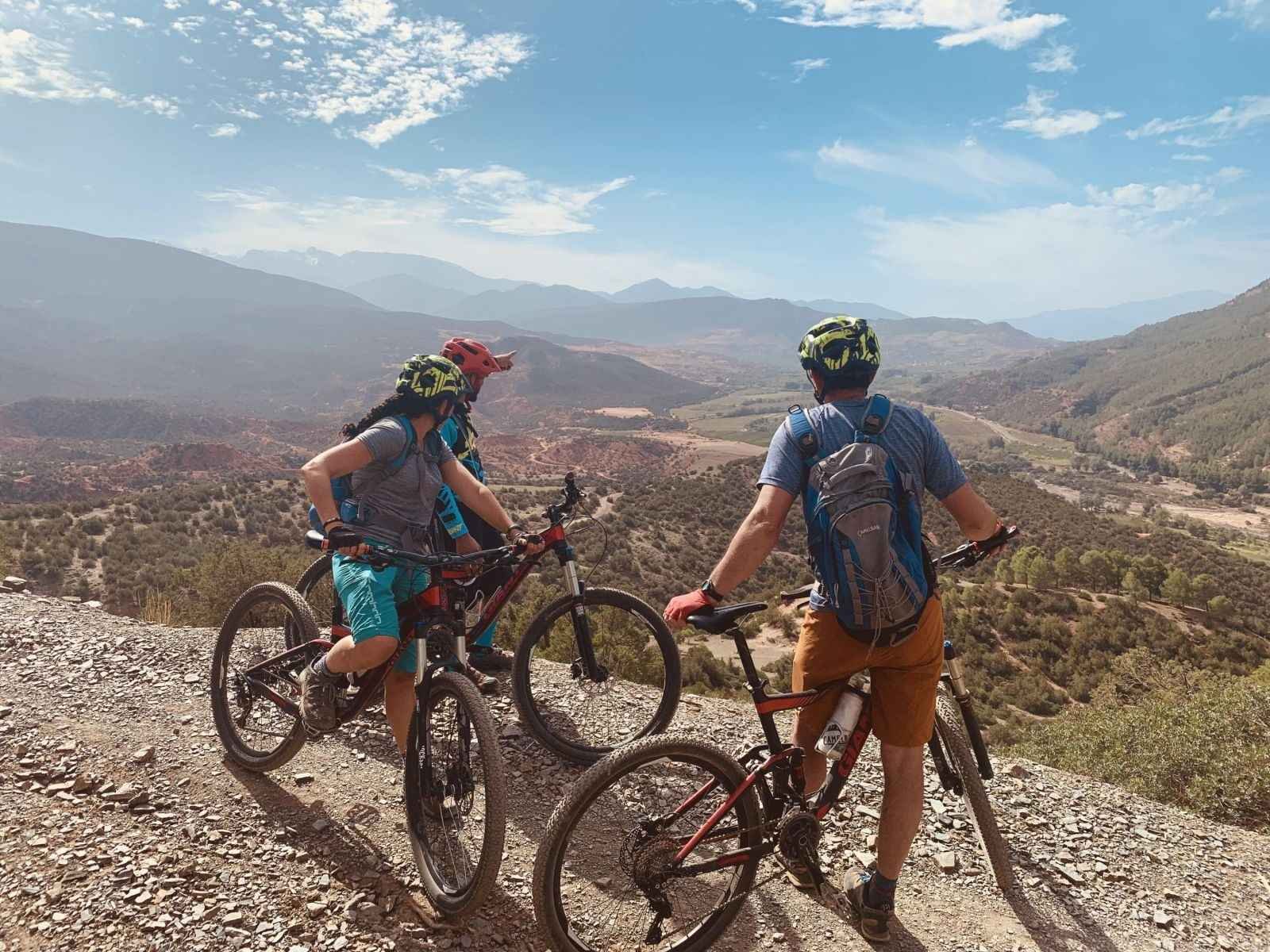
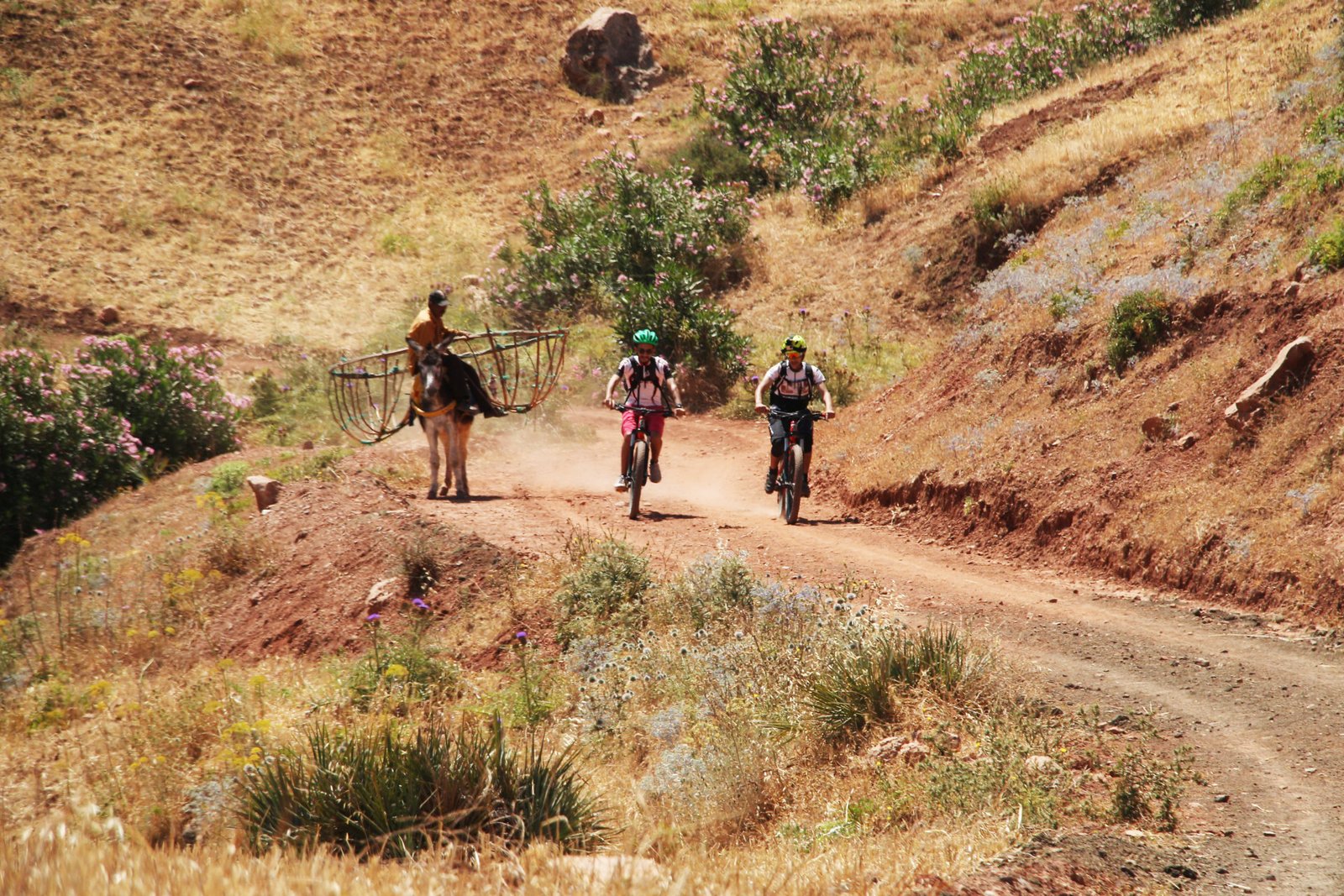
MTB routes can include rocky paths, loose surfaces, steep gradients and technical descents. Select trails based on demonstrated riding ability and the conditions on the day. Ask about hike-a-bike sections, exposure, how much of the ride is singletrack and how the guide will adapt the route for a mixed-ability group.
E-MTB
Electric assistance can help with climbing and make some itineraries more accessible, but colder conditions, elevation and riding mode can affect battery performance. Confirm battery range, charging opportunities, whether a spare battery is available and how the support plan works if a battery runs low away from a charging point.
Gravel cycling
Gravel itineraries depend on the quality and consistency of unpaved roads, loose stones, washboard sections and the amount of pavement between trail sections. Ask about tyre width, gearing, route condition, water stops and the daily distance. November is not a guarantee of perfect surfaces; recent weather and local maintenance can still change the experience.
Road cycling
Road rides should be built around daylight, climbing, road surface, traffic and safe stopping points. Confirm the planned ascent and descent, the route profile and support arrangements. For mountain passes or longer point-to-point days, ask how the itinerary can be adapted if weather, visibility or the group's pace changes.
Plan daylight, daily distance and support
Avoid planning every day to the limit of the available daylight. Estimate actual riding time rather than relying only on kilometres: steep climbing, technical ground, photo stops and village visits all change the pace. A shorter, well-planned stage can make a better trip than an ambitious route that leaves no room for delays.
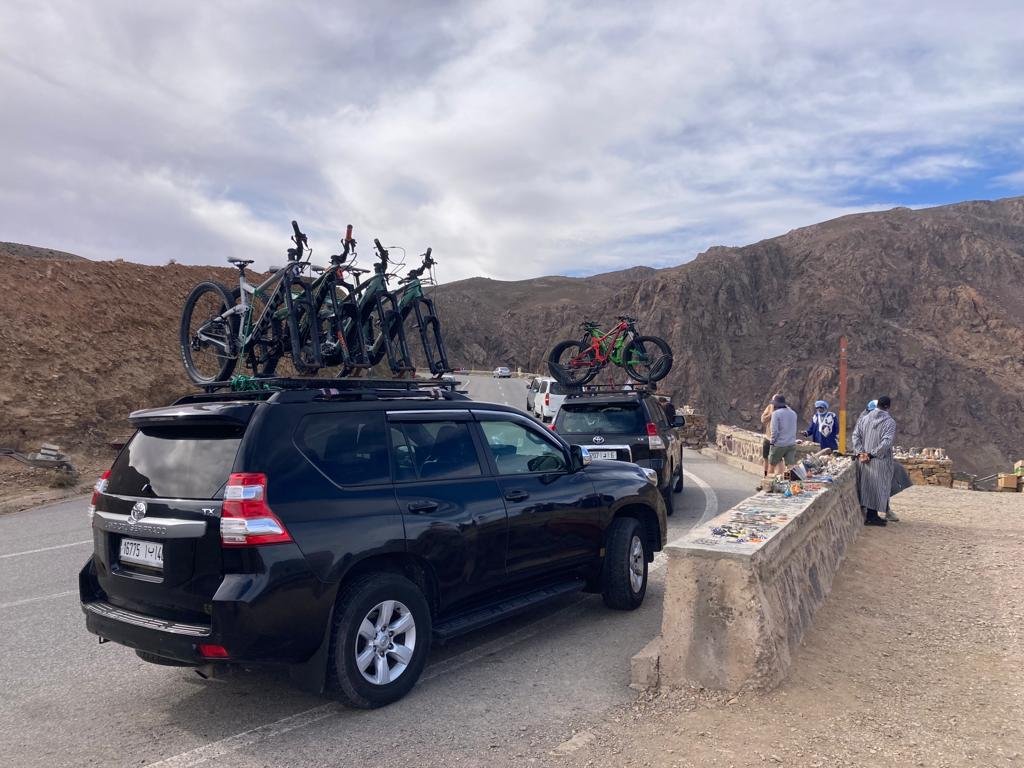
Before booking, clarify whether a guide, support vehicle, luggage transfer, meals and mechanical assistance are included. For remote rides, ask how the group will communicate if separated, where the guide carries essential tools and what the process is if someone cannot continue. The details can vary by tour, so have the arrangements confirmed for the specific itinerary.
Plan a sensible finish time, keep a light or visibility equipment available when appropriate, and agree on a turnaround or route-shortening option before starting a long stage.
What to pack for November cycling
Use a route-specific kit list, with extra attention to layering for cool starts and high elevations. The essentials typically include a correctly fitted helmet, gloves, riding clothing, suitable shoes, eye protection, sun protection and adequate water capacity. Add a lightweight windproof or waterproof layer according to the planned route and forecast; warmer layers may be useful if the itinerary includes early starts or exposed mountain sections.
Bring the personal repair items you are comfortable using, but first ask which tools and spares the guide or support team carries. For E-MTB, confirm charger and battery arrangements. For desert stages, clarify water capacity, refill access and how food and supplies are carried. If travelling with your own bike, allow for airline rules, bike-case transport, assembly and transfer space.
- Clothing: layers for cool starts and higher ground, plus a wind or rain shell appropriate to the forecast.
- Riding essentials: helmet, gloves, eyewear, suitable shoes, sun protection and hydration.
- Bike and repairs: suitable tyres, basic personal tools and clarity about the support spares available.
- Remote stages: a confirmed water and food plan, communication approach and support access.
- Before travel: confirm bike provision, sizes, luggage limits, transfers and what is included in the price.
Before you book a November cycling holiday
Share enough detail for the team to assess whether the route and timing suit your group. A useful enquiry includes:
- Dates and flexibility: travel dates, number of riding days and whether you can move a stage if conditions require it.
- Riding profile: preferred discipline, recent experience, fitness, daily distance and climbing expectations.
- Destination priorities: High Atlas, Marrakech and Agafay, southern desert routes or the Atlantic Coast.
- Group needs: group size, different experience levels, equipment requirements, dietary needs and rest preferences.
- Operational details: inclusions, transfers, accommodation, guide and support arrangements, water access and contingency plans.
These details help the operator discuss realistic options. Availability, route access, support services and any final itinerary should be confirmed directly for your travel dates; they should not be inferred from a general article or sample programme.
Frequently asked questions
Is November a good month for cycling in Morocco?
It can be, depending on the region, altitude and route. Lower areas and some southern itineraries may remain suitable, while high mountain routes can be colder and more weather-dependent. Check the conditions for your specific dates and route rather than treating the whole country as one climate zone.
Can I mountain bike in the High Atlas in November?
Some routes may be possible, but suitability depends on elevation, recent weather, trail condition and the experience of the group. Ask about the exact route, daily climbing, exposure, access and alternatives if conditions make a high or remote section unsuitable.
Is November suitable for a Sahara cycling trip?
A desert itinerary may be an option, but remoteness, water, wind, daylight and support logistics need careful planning. Confirm refill points, start times, vehicle access, overnight arrangements and the procedure for changing a stage if weather or a mechanical issue intervenes.
What clothes should I pack for November cycling?
Bring your usual riding essentials plus layers for cool starts and higher elevations. A lightweight windproof or waterproof layer, warm gloves where needed, sun protection and sufficient water capacity can all be useful. Ask for a route-specific list once the altitude, daily schedule and support arrangements are known.
Which cycling style works best in November?
There is no single best style for every region. MTB depends on trail conditions, E-MTB on battery range and charging, gravel on suitable unpaved surfaces, and road cycling on route profile, traffic and weather. Choose the discipline that fits the actual route and your ability.
Are shorter days important when planning a tour?
Yes. Build a realistic schedule with an early enough start, planned breaks and a margin for slower sections or mechanical issues. Confirm expected riding time, transfers and the plan for completing the stage before dark, especially on remote routes.