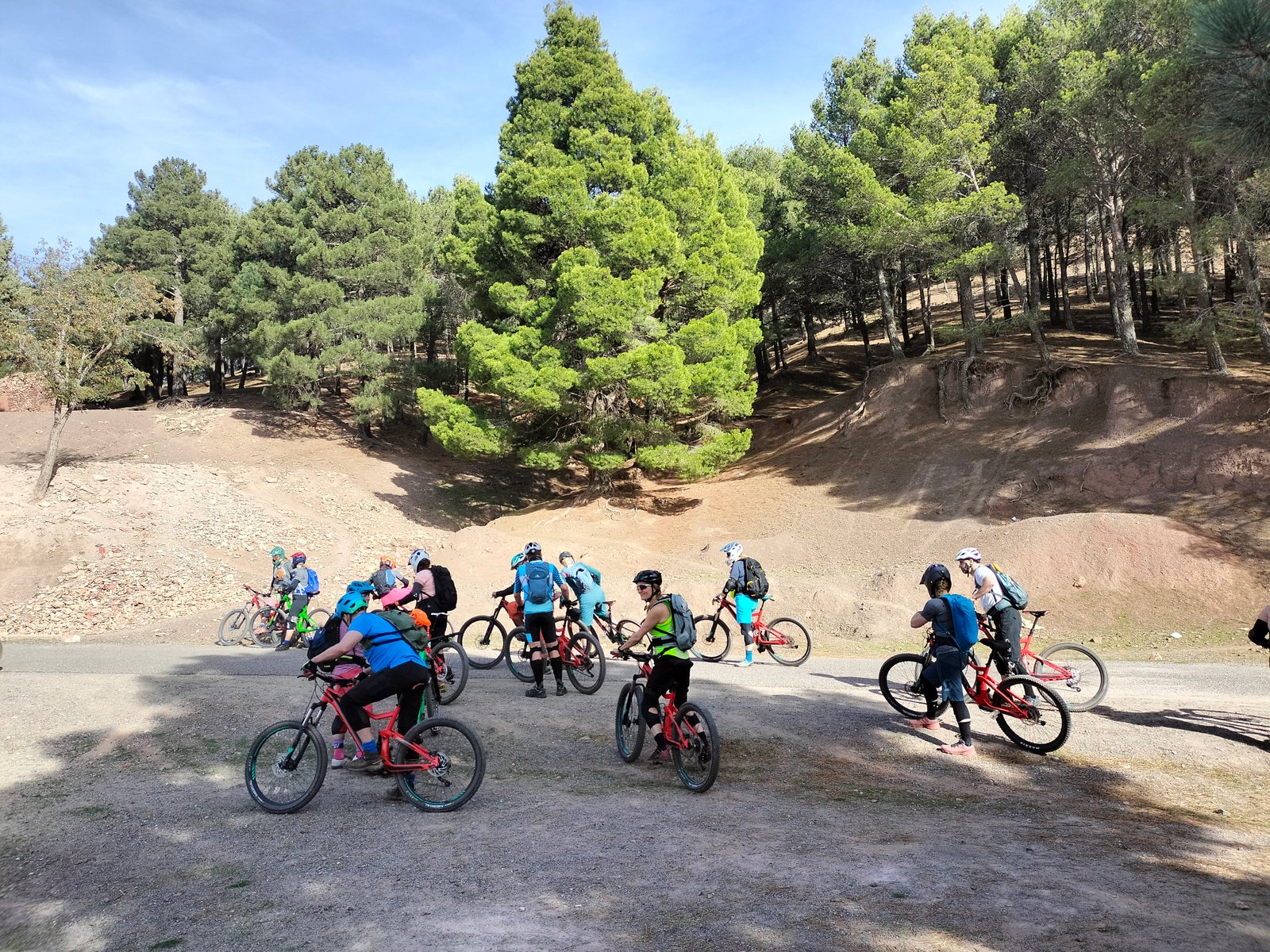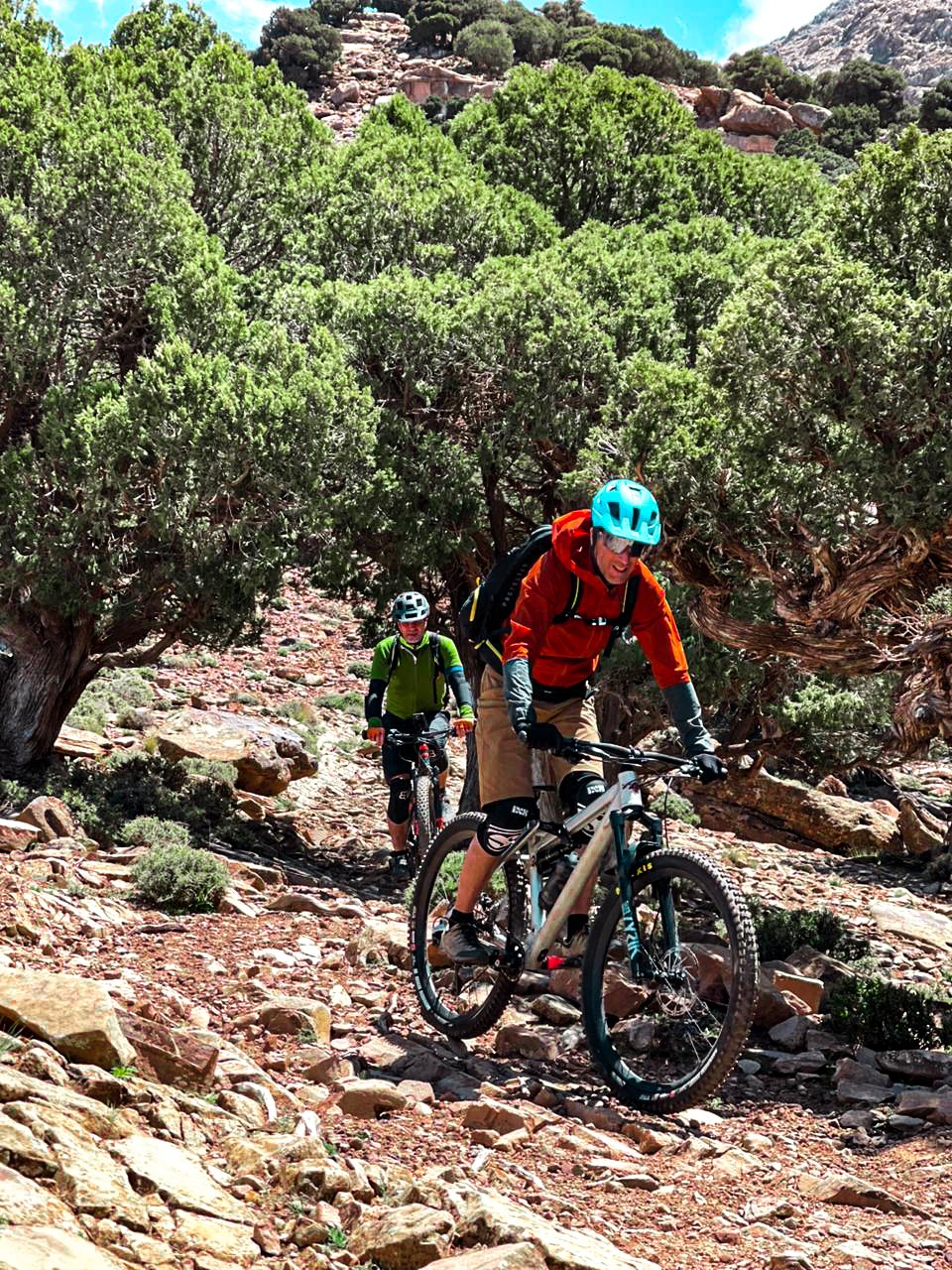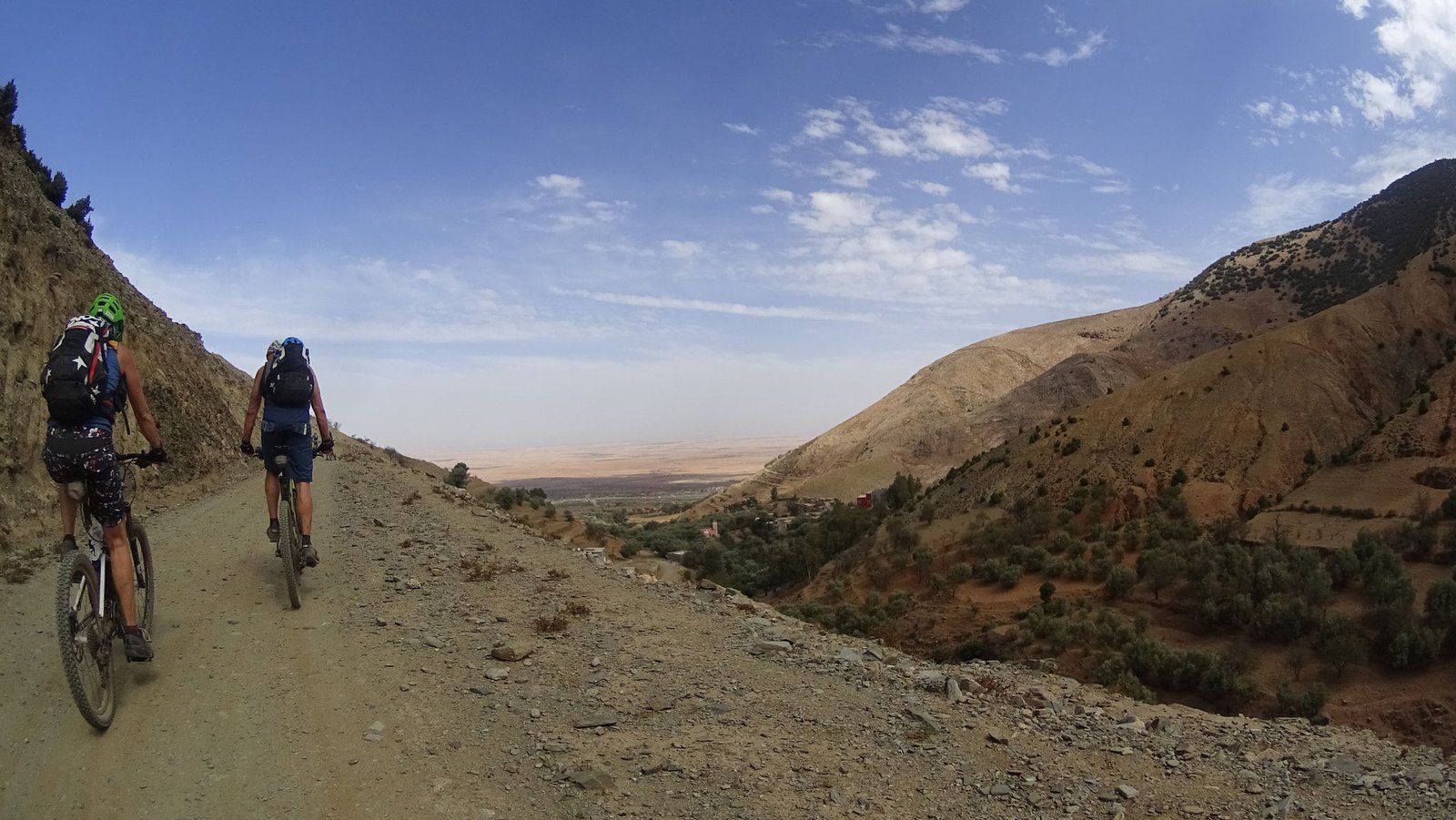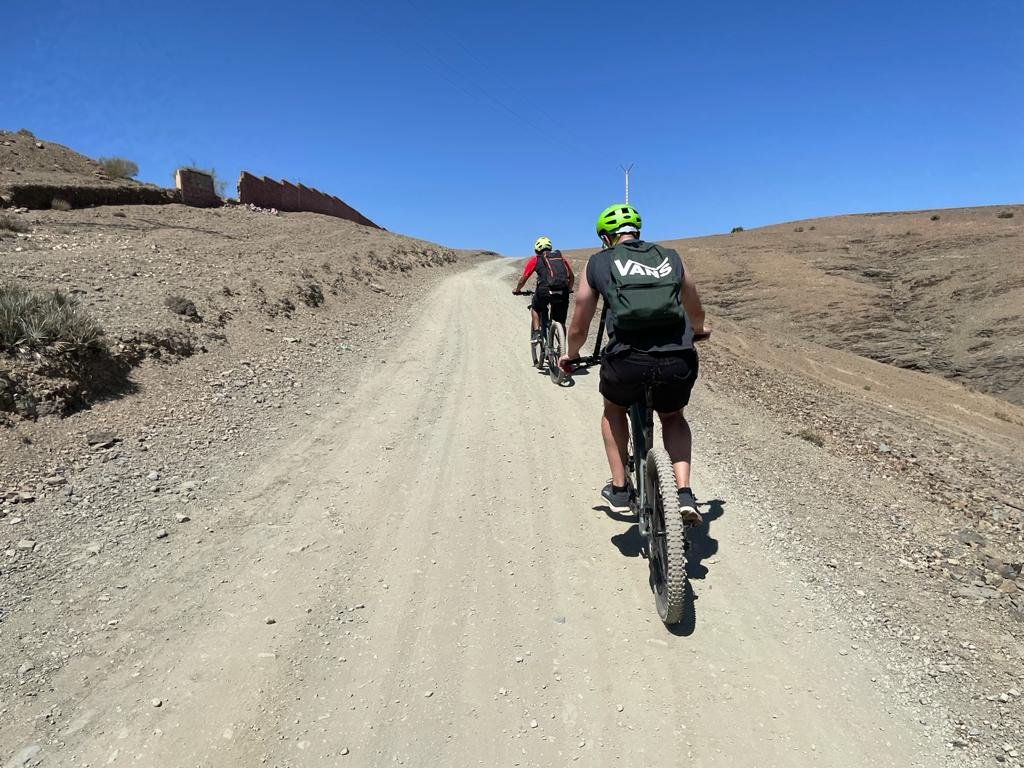
Gravel riding in Morocco is about connecting places and landscapes across different surfaces. A single stage may include smooth tarmac, packed earth, stones, corrugated tracks and loose gravel. Understanding these changes helps you choose the right bike, carry the right equipment and plan each day around the effort the route actually requires.
Discover Morocco beyond the main roads
Gravel cycling offers a different way to experience Morocco. Rather than following paved roads throughout the journey, riders can explore rural valleys, quiet countryside and mountain foothills using a mixture of tracks and road connections. The scenery and riding character can change considerably from one region to another.
Some routes use firm tracks connected by quiet paved roads. Others include rougher surfaces, loose stones, corrugations and longer distances between facilities. The word "gravel" alone does not describe how difficult a route will be. Before booking, ask about the surface mix, total ascent, daily distance and the most demanding sections.
A well-planned itinerary balances the riding itself with opportunities to experience the landscape and local communities. Depending on the route, your journey might include traditional villages, agricultural valleys, broad mountain views and quieter roads far from busy tourist areas.
Request a stage-by-stage route summary covering distance, ascent, surfaces, water stops and support access. A route map is useful, but a clear description of the terrain is equally important.
Gravel cycling in the Atlas Mountains and beyond
Atlas foothills and rural valleys
The Atlas foothills and surrounding valleys can combine village roads, dirt tracks, rolling terrain and mountain scenery. Elevation and temperature may change noticeably during a ride, especially when a route climbs away from lower valleys. Ask about steep gradients, loose surfaces, water access and the possibility of sections that may be easier to walk than ride.
Marrakech and the surrounding countryside
The countryside around Marrakech can work well for a day ride or as the start of a longer cycling holiday. Depending on the route, riders may use paved connections to reach quieter tracks and open landscapes. Confirm the starting point, transfer time, traffic exposure and how much of the day will be spent riding rather than travelling by vehicle.
Agafay and open southern landscapes
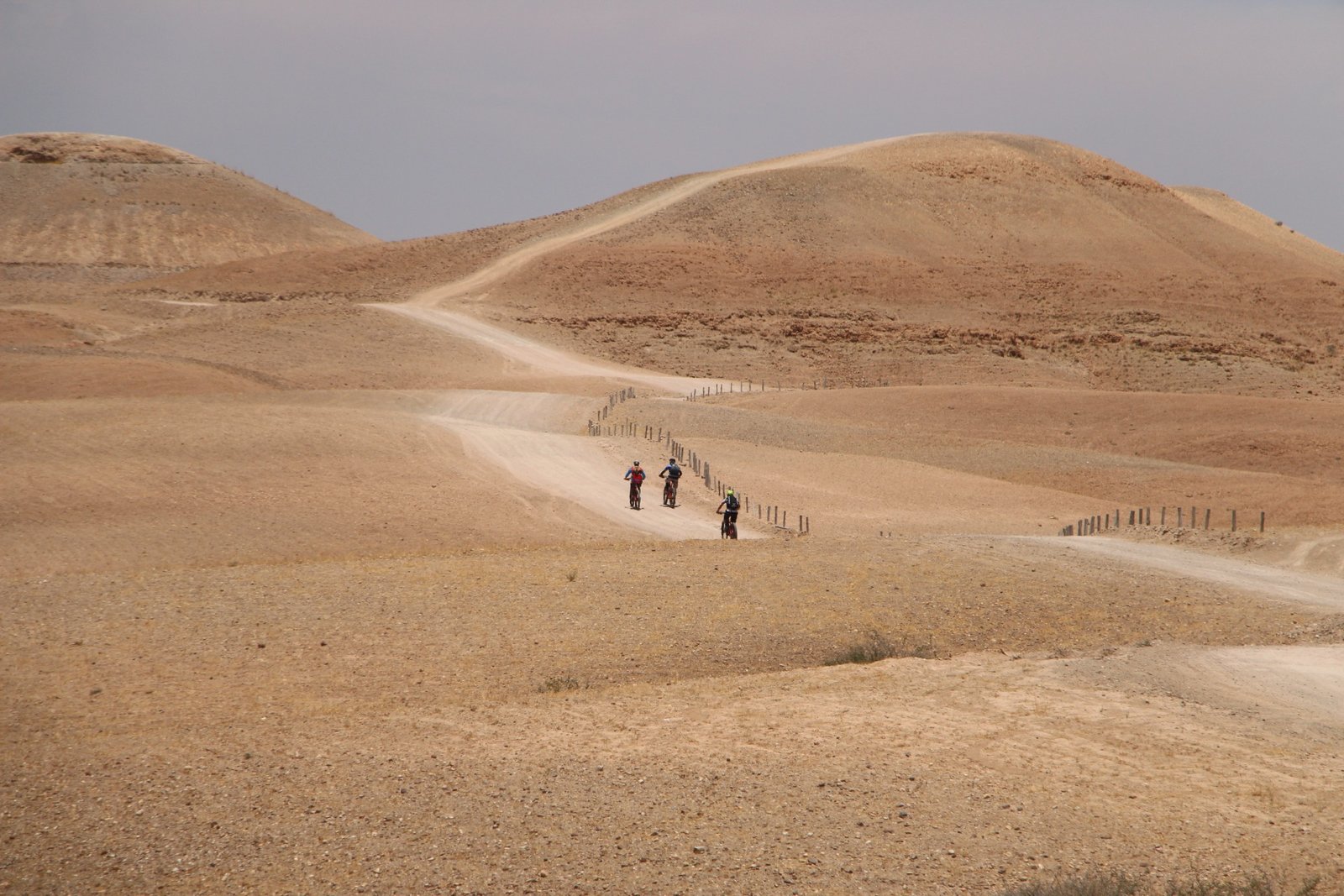
Rocky, exposed landscapes can provide a memorable setting for gravel exploration, but not every unpaved surface is suitable for every gravel bike. Firm tracks can ride very differently from deep sand, sharp stones or heavily corrugated roads. Ask for details about the most difficult sections before choosing your equipment and daily distance.
Choose a bike and equipment for the route
The best gravel bike setup depends on the terrain, your experience and the amount of luggage you plan to carry. Tyre clearance, casing strength, tread, gearing and braking all influence comfort and control. Wider tyres may improve comfort on rough ground when the frame permits them, while a smoother tread may work well on firm tracks and paved connectors.
Tyres, gearing and puncture protection
Ask whether the route includes loose stones, sharp rock, washboard surfaces, soft sand or long paved sections. Choose tyres and pressures for those conditions and your total load. Suitable gearing is important for sustained climbs, especially when carrying luggage or riding on consecutive days. Confirm compatibility and setup before travelling.
Repair kit and bike checks
Carry basic tools and spares that fit your bike, including puncture-repair equipment, a pump or inflation system, tyre levers and any small parts required by your setup. Before departure, check tyres, brakes, shifting, chain, bolts and wheels. Ask the organiser what mechanical support is available and what the support team carries.
Confirm the available frame size, fit, tyre clearance, pedals, helmet, luggage options and repair equipment. Also ask what happens if a mechanical problem cannot be fixed during the ride.
Plan realistic distance, climbing and daily effort
Kilometres alone do not tell you how demanding a gravel stage will feel. A longer day on firm, rolling tracks may be manageable, while a shorter route with steep climbs, loose surfaces or navigation challenges can require more time and concentration. Wind, heat, luggage and accumulated fatigue also affect your pace.
Review both the total ascent and where the climbing occurs. Make sure the daily schedule allows time for breaks, meals, photographs, repairs and unexpected delays. If your group has different levels of experience, plan around a pace that the least experienced rider can sustain comfortably.
Navigation and route confidence
Rural tracks can branch, change condition or become difficult to identify on the ground. Ask how navigation is handled, whether a guide rides with the group and whether support vehicles can access the planned route. Offline maps and a charged device can help, but they do not replace local route knowledge and an agreed plan if riders become separated.
Water, food and mechanical support
Resupply is one of the most important questions when planning a gravel journey. Some stages pass through settlements with places to stop; others may have long gaps without dependable shops, taps or cafés. Confirm the longest interval between reliable water sources and the carrying capacity riders will need.
Food planning matters too, particularly on days with sustained climbing or rough surfaces. Confirm what meals and snacks are provided, when the group expects to stop and whether dietary needs can be accommodated. Carry supplies appropriate to the stage rather than assuming the next village will have everything you need.
Support arrangements vary from one trip to another. Clarify whether a vehicle can reach the route, how luggage moves between overnight stops, which mechanical spares are available and what happens if a rider cannot continue. Remote riding requires a practical contingency plan.
Organise a multi-day gravel cycling adventure
A multi-day trip needs a practical plan beyond the riding itself. Confirm where each stage begins and ends, what accommodation is planned, when meals are provided, how luggage is transferred and whether the itinerary includes rest days or shorter stages. Transfers between regions can take time, so clarify whether a day includes substantial vehicle travel as well as cycling.
If you are travelling with your own bike, check airline packing requirements, transfer space for your bike case and the time allowed for assembly and safety checks. If a rental bike is planned, confirm the fit, pedal type, included accessories and replacement arrangements.
- Daily plan: distance, ascent, surface, expected riding hours and finish time.
- Logistics: accommodation, meals, luggage transfers and vehicle connections.
- Support: guiding, mechanical tools, communication and contingency options.
- Equipment: bike fit, pedals, helmet, personal spares and luggage requirements.
- Inclusions: clarify guiding, transport, accommodation, food and additional costs.
Choose the season and prepare for the terrain
Conditions depend on the region, elevation and travel dates. Lower and southern areas can be hot, while mountain mornings and higher sections may feel cool, particularly when wind or changing weather is involved. Ask for route-specific advice close to departure rather than relying on a general seasonal description.
Prepare with rides that resemble the planned duration and include climbing and mixed surfaces when possible. Practise using the bags or hydration system you expect to carry. Have your bike serviced before travelling and make sure you can manage common repairs. Comfortable contact points, sufficient food and fluids, sleep and realistic pacing all help on consecutive riding days.
Pack breathable riding clothing, sun protection and adjustable layers suited to the route and forecast. A lightweight insulating layer and wind or rain shell may be useful when conditions change at elevation.
Experience rural Morocco responsibly
Gravel routes may pass close to farms, homes and working rural tracks. Slow down near people and animals, give walkers space and follow local guidance about access. Avoid cutting across fields or fragile ground, close gates when appropriate and ask before taking identifiable photographs of people.
Carry out wrappers, used tubes and other waste. Keep noise low in villages and respect that a track used for cycling may also be an important route for local residents. Supporting local businesses where possible can help make cycling a welcome activity in the places you visit.
Gravel cycling trip checklist
Before confirming your route, make sure the main practical questions have been answered.
- Route: surface mix, distance, ascent, technical sections and expected riding time.
- Bike: tyre clearance, gearing, brakes, luggage capacity and mechanical condition.
- Supplies: water capacity, food stops, longest resupply gap and emergency provisions.
- Support: guide, vehicle access, spares, communication and contingency procedures.
- Trip details: accommodation, transfers, luggage, inclusions and group pace.
Share your dates, group size, riding experience, preferred daily distance and bike setup. Ask for specific details about surface conditions, resupply and support on remote stages.
Frequently asked questions
Is Morocco suitable for a gravel cycling holiday?
Morocco offers paved connectors, rural tracks and unpaved roads that may suit gravel riding. The surface varies by region and route, so ask for a stage-by-stage description, tyre requirements, elevation and any rough or sandy sections before choosing an itinerary.
What kind of gravel bike and tyres should I use?
The right setup depends on the route surface, luggage load and rider experience. Tyre width, tread, puncture protection, gearing, brakes and frame clearance all matter. Confirm the actual route conditions before deciding on your bike and tyre setup.
Can beginners enjoy gravel cycling in Morocco?
Some routes may suit riders who are comfortable cycling on unpaved surfaces. Long remote stages, loose descents and extended climbs can be demanding. Share your normal riding distance, fitness and gravel experience so the route can be matched to your ability.
How should I plan water and food for remote routes?
Do not assume every track has regular resupply points. Confirm the longest interval between reliable water and food stops, the carrying capacity required, support-vehicle access and the backup plan if a stop is unavailable.
Can a gravel tour include the Atlas Mountains or desert regions?
Routes may be possible in several regions, but the bike choice and route design depend on surface, elevation, season and logistics. Clarify transfer times, accommodation, mechanical support and any sections that may be too rough or sandy for your setup.
What should I check before booking a multi-day gravel tour?
Ask for each stage's distance, ascent, surface mix, expected riding hours, food and water options, luggage handling, accommodation, mechanical support, inclusions and emergency arrangements. Share your riding experience and equipment needs before confirming the itinerary.