An E-MTB tour is more than a conventional mountain bike trip with a motor added. Electric assistance changes how riders approach climbing, manage their energy and plan a day on the trail. In Morocco, the best experience comes from matching the bike and battery setup to the landscape, the riding group and the route ahead.
Why choose an E-MTB tour in Morocco?
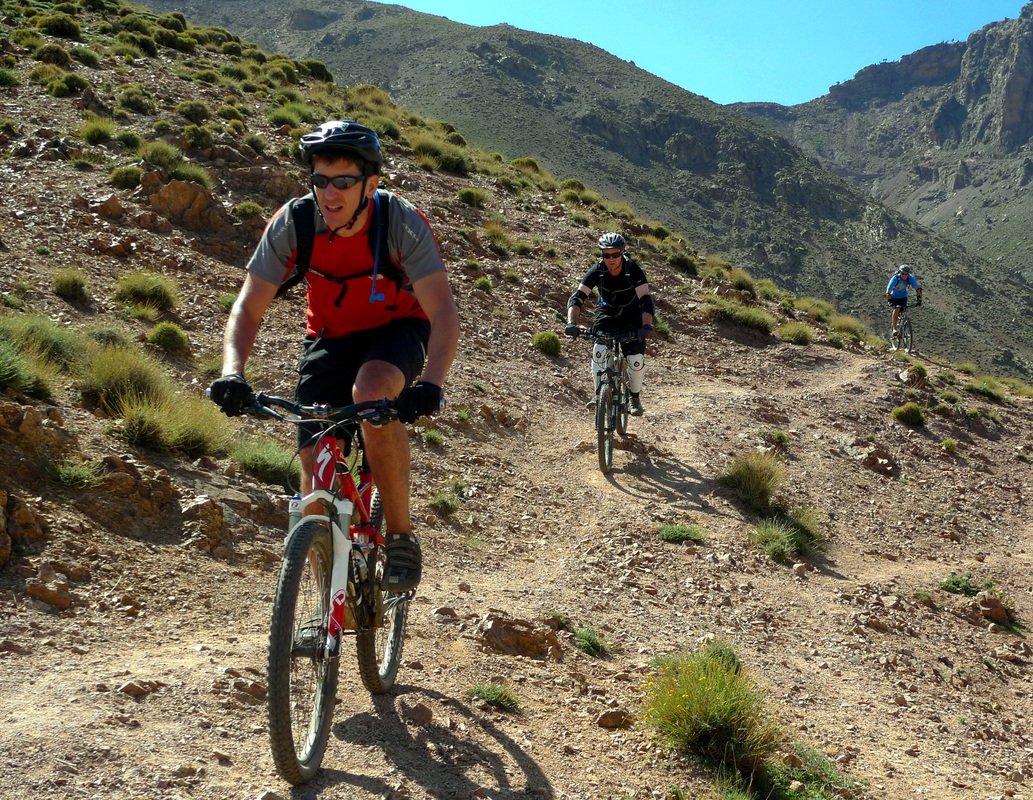
Morocco offers a remarkable variety of cycling landscapes. Around the Atlas Mountains, routes can cross open hillsides, rocky tracks, terraced valleys and traditional villages. An electric mountain bike can help riders manage sustained climbs and conserve energy for the rest of the day, depending on the assistance level, battery capacity and terrain.
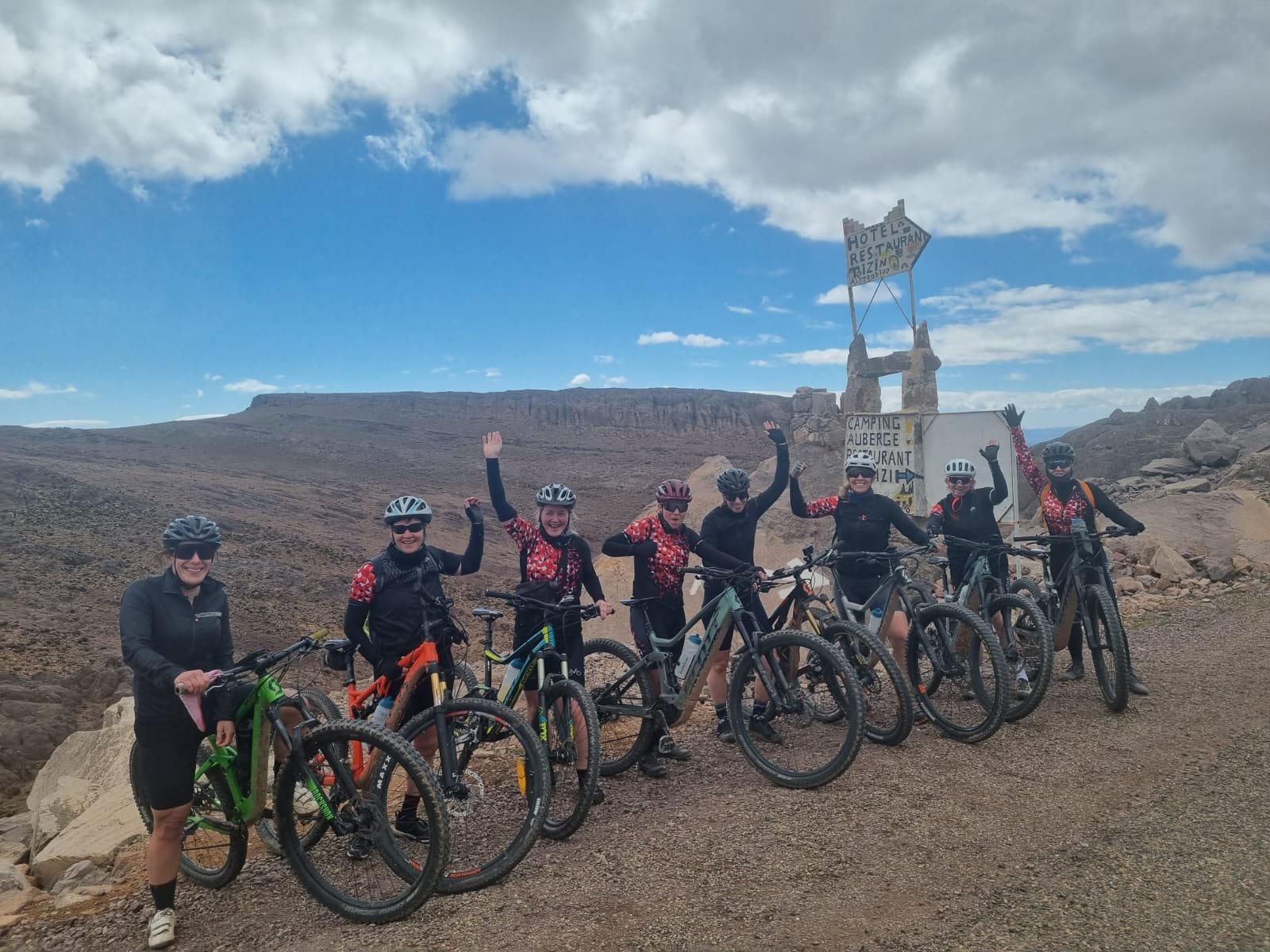
E-MTBs can also make it easier for a group with different fitness levels to share a suitable itinerary. Assistance does not make every rider equally fast, however, and technical confidence remains important. The route should allow the group to ride at a comfortable pace, regroup regularly and enjoy the surroundings instead of treating every stage as a race.
Where can you ride an E-MTB in Morocco?
The Atlas Mountains
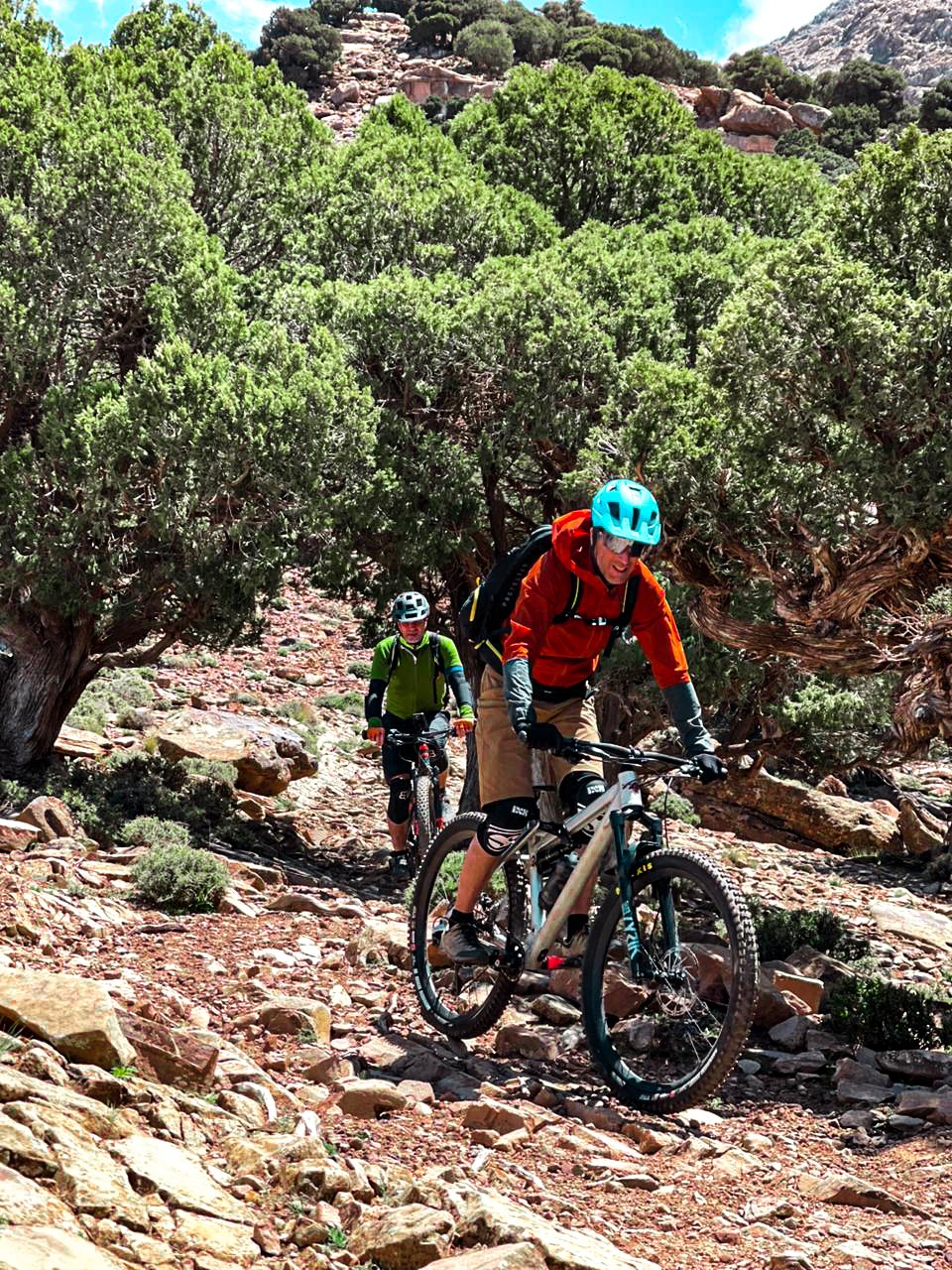
The Atlas region is a natural starting point for riders looking for mountain scenery, rural tracks and varied elevation. Routes may combine gradual climbs, rough mountain roads and narrower trails. The exact experience depends on the valley, altitude, trail access and the technical level selected for the group.
Before choosing an itinerary, ask how much of the route is singletrack, rocky track or paved road. Find out whether any sections are steep, exposed or likely to require walking, and whether the planned stages offer suitable opportunities to recharge batteries.
Routes around Marrakech
Marrakech can provide a practical starting point for guided cycling experiences beyond the city. Depending on the itinerary, riders may travel towards mountain foothills, countryside or drier landscapes. Confirm transfer times and the actual riding location before comparing tours, because a trip described as starting in Marrakech may include a transfer before the ride begins.
Choose the landscape for your riding style
Some riders want flowing trails and long descents; others prefer scenic exploration with manageable climbs and time to visit villages. Describe your priorities to your organiser so the route can balance riding time, technical features, scenery and battery availability.
Ask for the route surface, elevation profile, expected riding time, technical difficulty and planned charging opportunities. These details are more useful than distance alone when choosing an E-MTB adventure.
Choose the right E-MTB tour for your experience
Start by considering what you enjoy on a mountain bike. Do you feel confident riding loose stones? Can you control your speed on steep descents? Are you comfortable riding for several hours, or would you prefer shorter stages with more time for stops? Your answers will help determine which itinerary is appropriate.
Scenic and introductory rides
Riders who are new to electric mountain biking may prefer wider tracks, moderate gradients and shorter stages. This allows time to become familiar with the motor response, the bike's handling and the process of managing assistance levels. A beginner-friendly tour should still be selected around the rider's actual cycling experience.
Technical trail and enduro-style riding
More experienced riders may want rocky singletrack, steeper descents and more demanding terrain. These routes require confident braking, line choice and balance. The additional weight of an E-MTB can change how it responds, so riders should understand the bike before tackling difficult sections.
- Describe your recent mountain biking experience honestly.
- Ask about the steepest climbs and most technical descents.
- Confirm daily distance, elevation gain and riding time.
- Check whether the group can adjust the route if needed.
- Ask what guiding and mechanical support are provided.
Understand battery range and charging
Battery planning is one of the most important parts of an E-MTB trip. Range varies with battery capacity, assistance mode, rider weight, luggage, tyre pressure, temperature, surface and the amount of climbing. A route with repeated steep ascents and loose ground may use considerably more energy than a smoother ride of the same distance.
Avoid planning a remote stage around a manufacturer's maximum advertised range. Instead, ask your organiser how the actual bike performs on comparable terrain and what reserve is recommended. If the itinerary includes long climbs or limited charging opportunities, the route and assistance strategy need to account for that.
Use assistance thoughtfully
Lower assistance settings can conserve energy on manageable terrain, while higher settings may be useful for demanding climbs. The right balance depends on your bike, the route and how you feel during the ride. Learn the controls before departure and avoid relying on one setting for every situation.
Confirm charging arrangements
Ask where charging can take place, whether chargers are compatible with the supplied bikes and how long charging is expected to take. For multi-day trips, confirm whether overnight charging is available and whether spare batteries are provided. Do not assume that every accommodation stop has the required facilities.
Confirm the battery capacity, realistic range for your itinerary, charging schedule and backup plan before travelling. The exact equipment and route should determine the plan.
Fitness, handling skills and riding confidence
Electric assistance reduces some of the effort needed to climb, but it does not remove the physical demands of a full day on the bike. Rough ground, repeated descents and changes in elevation can be tiring, and technical riding requires concentration. Build up your riding time before departure and include some climbing and descending practice where possible.
Spend time becoming familiar with the bike before riding difficult terrain. Practise smooth starts, controlled braking, cornering and changing assistance modes on ground where you feel comfortable. An E-MTB can be heavier than a conventional mountain bike, so moving it through tight turns or lifting it over obstacles may require a different approach.
If you are unsure about a section, stop and assess it. Walking a technical feature is a sensible decision, not a failure. Tell your guide about your comfort level so the pace and route can be adjusted appropriately.
Choose the right bike and equipment
A suitable E-MTB should fit the rider and the terrain. Frame size, braking performance, tyre choice, gearing and suspension all affect comfort and control. Before the trip, confirm the supplied bike model, size, battery setup, pedals and helmet arrangements. If you bring your own bike, ask about transport and compatibility with the tour's charging arrangements.
Essential riding equipment
- A properly fitted helmet and suitable cycling gloves.
- Comfortable riding clothing and protective eyewear.
- Riding shoes with suitable grip for the pedals provided.
- Water capacity, snacks and sun protection.
- Layers for changing temperatures and mountain weather.
- Any personal medication and essential travel documents.
Mechanical support and spare parts
Ask who carries repair tools and common spares, how punctures and mechanical problems are handled, and what happens if an electrical component fails. Battery and motor systems may require specialist support, so clarify the available backup arrangements before setting off on remote stages.
Weather and the best time to ride
Riding conditions in Morocco vary by region, altitude and time of year. Mountain areas can be cool, windy or affected by rain and snow, while lower and exposed routes can become very hot. Weather also affects trail grip, visibility and how comfortable a long day on the bike will be.
Spring and autumn are often considered for many mountain itineraries, but there is no single ideal season for every route. Check the forecast and local trail conditions close to your departure date. Build flexibility into the plan in case weather or access conditions make a particular stage unsuitable.
Battery performance can also be affected by temperature. Follow the bike manufacturer's guidance for charging, storage and operating conditions, and ask your organiser how batteries will be handled during the trip.
Ride responsibly through Morocco's landscapes
Some routes pass through villages, agricultural land and paths shared with walkers and livestock. Slow down near homes, give people and animals plenty of space, and follow local guidance about trail access. Electric assistance can make it easy to approach others quietly, so remain alert and communicate considerately.
Stay on appropriate paths, avoid widening trails around obstacles and carry out your rubbish. Ask before photographing people, respect private property and be mindful when stopping or regrouping. Local guides can help explain which routes are suitable and how to travel respectfully through communities.
Plan your E-MTB adventure in Morocco
Begin with your preferred travel dates, group size, riding experience and the type of landscape you want to explore. Then compare route difficulty, daily elevation, accommodation, meals, transfers and mechanical support. For an electric bike itinerary, battery capacity and charging arrangements should be part of the planning discussion from the beginning.
Before confirming a booking, ask for a clear explanation of what is included in the price. Check whether the E-MTB, charger, helmet, guide, luggage transfers, accommodation, meals and support vehicle are provided. Inclusions vary by tour, so get the details for your specific itinerary in writing.
Explore our E-MTB tours, discover Atlas Mountains destinations, or browse the full range of cycling trips in Morocco.
E-MTB trip checklist
- Confirm the bike model, size, battery capacity and charger.
- Understand realistic battery range for the planned terrain.
- Check charging access and backup arrangements for each stage.
- Review route surface, elevation, difficulty and daily riding time.
- Prepare your helmet, gloves, shoes, water and weather layers.
- Confirm guiding, mechanical support, transfers and inclusions.
- Check the forecast and any route access updates before departure.
- Respect local communities, shared paths and the environment.
Frequently asked questions
What is an E-MTB tour?
An E-MTB tour uses an electric-assist mountain bike to support your pedalling. The motor helps when climbing and riding demanding terrain, but you still pedal, steer, brake and manage the bike. Assistance does not replace mountain-bike handling skills or sensible route selection.
Is Morocco suitable for electric mountain biking?
Morocco offers varied riding environments, including Atlas Mountain tracks, rocky trails, rural paths and desert-edge landscapes. The right itinerary depends on the terrain, your experience, the available bike and battery setup, charging opportunities, weather and the support arrangements for the trip.
How far can an E-MTB travel on one battery?
There is no single reliable distance for every E-MTB. Range depends on battery capacity, assistance mode, rider and luggage weight, elevation gain, surface, temperature, tyre choice and riding style. Ask your tour organiser for realistic guidance based on the actual route and equipment rather than relying on a maximum manufacturer estimate.
Do I need to be fit to ride an E-MTB?
Electric assistance can make sustained climbing more manageable, but a multi-day ride can still demand endurance, balance and concentration. Rough terrain and long descents require control, and the bike's weight can affect handling. Choose a route that matches your experience and general fitness.
Can beginners join an E-MTB tour?
Some tours can suit newer riders if the route, pace and daily distances are selected carefully. Beginners should be comfortable starting, stopping, braking and controlling a bicycle before attempting technical mountain trails. Discuss your experience honestly so the route can be matched to your ability.
What should I bring on an E-MTB trip?
Bring a correctly fitted helmet, gloves, suitable riding shoes, eyewear, sun protection, water capacity and layers for changing conditions. Confirm whether the tour provides the bike, charger, spare battery if applicable, repair tools, helmet, accommodation, meals and luggage transfers.
Can I ride an E-MTB on technical trails?
Yes, when the bike, rider and route are appropriate. E-MTBs can be heavier than conventional mountain bikes, and their power requires smooth control on loose or steep surfaces. Technical sections should match your skills, and walking a difficult feature is always a sensible option.