Enduro riding places particular demands on bike control, descending confidence and equipment reliability. In Morocco, trails may include loose rock, uneven natural features and sections where line choice matters. The right trip is not simply the one with the biggest descent; it is the one that fits your skills and has realistic arrangements for the terrain, group and conditions.
What defines an enduro riding trip?
Enduro usually combines technical descending with climbs or transfers between trail sections. Depending on the itinerary, riders may pedal up, use a vehicle for selected transfers, or combine both approaches. Different destinations use the term in different ways, so it is worth checking exactly what a proposed trip involves rather than relying on the label alone.
Ask about the balance between climbing and descending, the number of trail runs planned, average time in the saddle, and how much riding is expected on natural trails versus roads or tracks. For multi-day trips, the schedule should also account for fatigue, weather, recovery and the practical time needed to move between riding areas.
Ask the organiser to describe a typical riding day, including climbs, transfers, descent length, technical features, meal stops and the plan if a route becomes unsuitable.
Terrain and trail character in Morocco
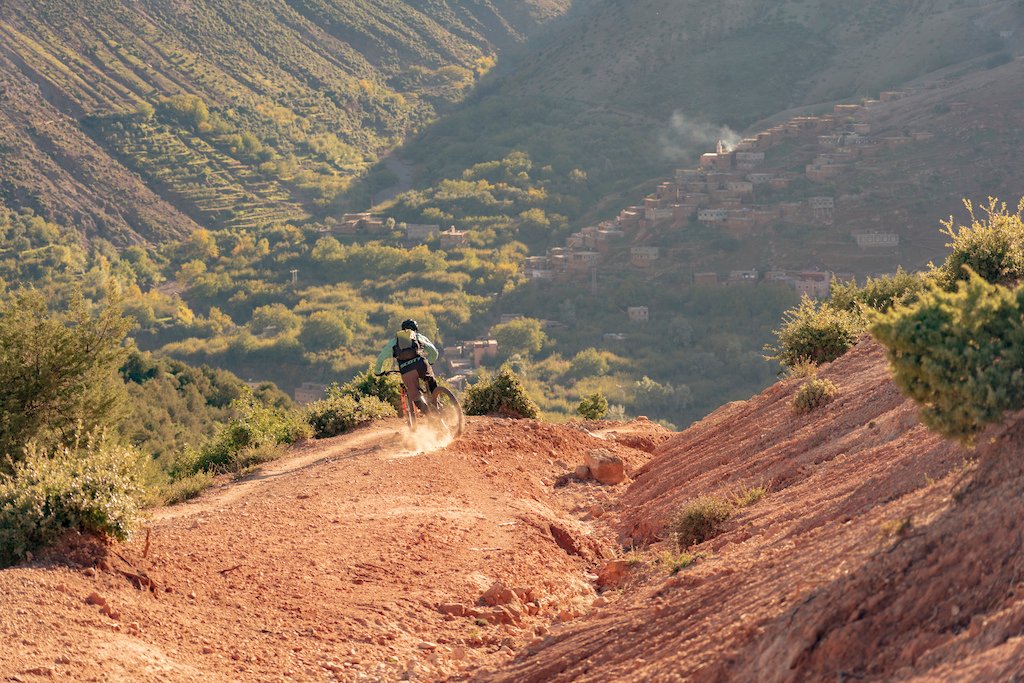
Moroccan mountain routes can vary from hard-packed tracks to loose stones, embedded rock, ruts, narrow paths and steep natural sections. The surface can change several times within the same ride. A trail that looks straightforward in a photograph may feel different when it is dusty, wet, exposed or unfamiliar, and recent weather can affect grip and access.
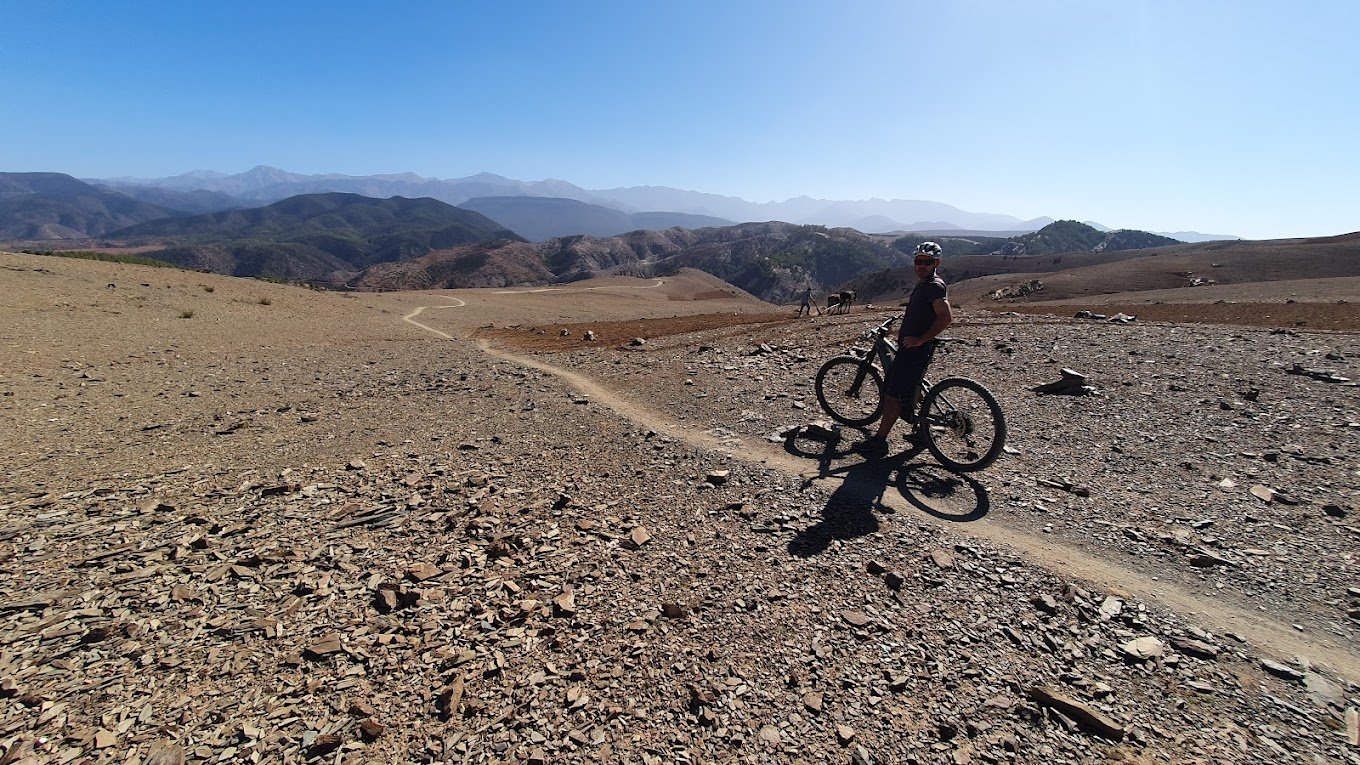
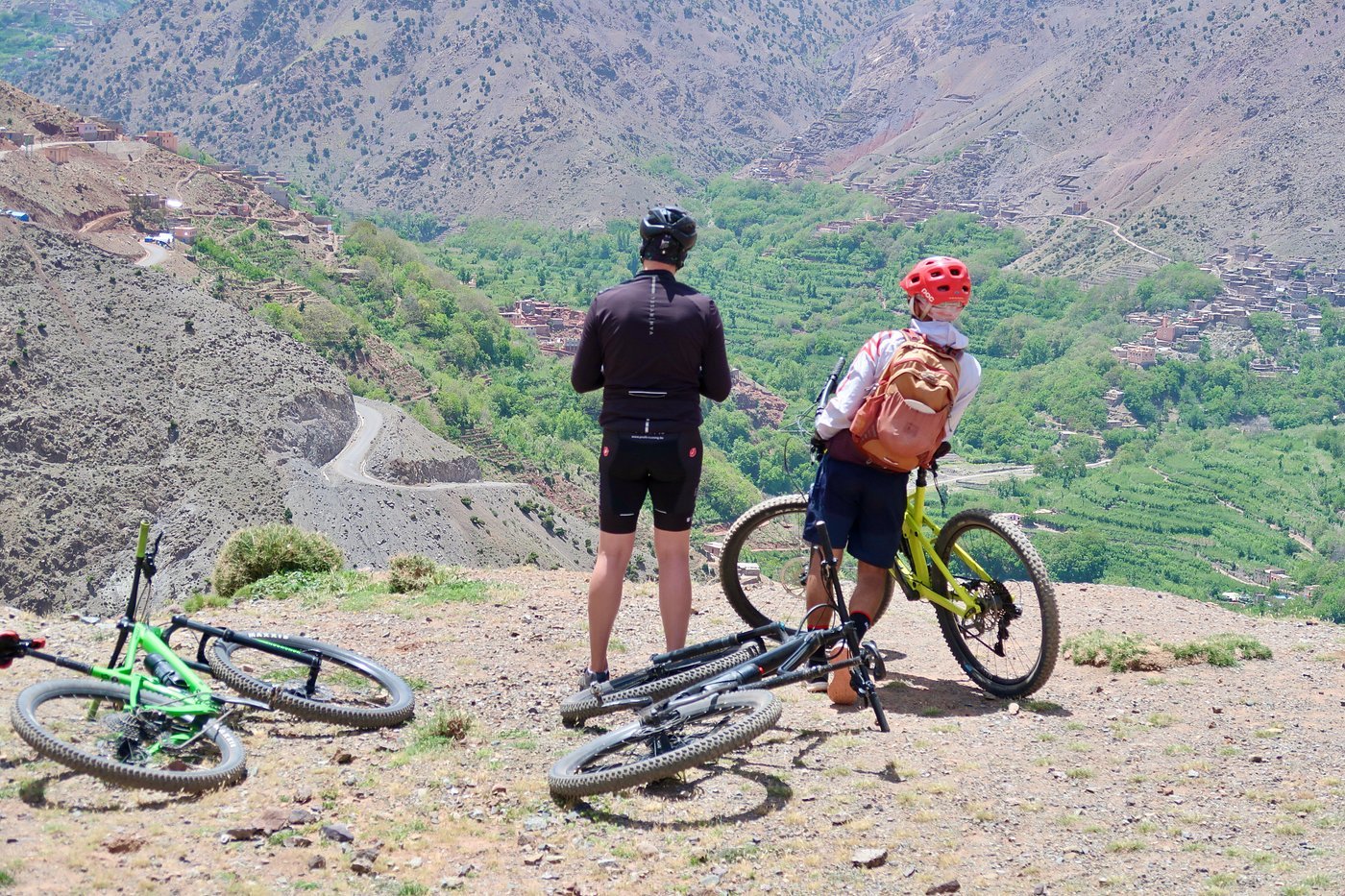
The High Atlas and nearby mountain valleys are often associated with rugged terrain and large changes in elevation. Other areas may offer dry foothills, rocky open ground or long stretches between services. These differences matter when choosing tyres, suspension, daily distance and the kind of support that is useful. The exact route should be discussed for your travel dates rather than assumed from the regional name.
Before committing to a technical route, ask about the steepest sections, loose or slippery surfaces, exposure, rock steps, narrow traverses and whether any segments are commonly walked. Honest details help you choose a ride that feels challenging without being outside your ability.
Skills, speed control and riding judgement
Technical descending rewards looking ahead, smooth inputs and controlled speed. Practise progressive braking, balanced cornering and choosing a line on familiar terrain before travelling. Keep enough space from the rider ahead to see the surface, and avoid following another rider through a feature before you have assessed it for yourself.
Read the trail before committing
If a feature is unclear, stop somewhere safe and inspect it from the side of the trail. Decide where you want to go, check that the run-out is clear, and leave yourself room to slow down before a corner or obstacle. Walking a section is a sensible choice whenever you are uncertain, tired or unable to identify a safe line.
Ride within the group’s ability
Groups rarely have identical experience and confidence. Make sure the route, pace and regrouping plan work for the least experienced rider. If you feel rushed or start making mistakes because of fatigue, stop and reassess. Enduro is not improved by treating every descent as a race or by attempting features simply to keep up with other riders.
Bike setup, equipment and mechanical readiness
A correctly fitted, well-maintained bike makes it easier to focus on the trail. Before the trip, confirm which bike type is appropriate, whether rental sizes are available, and what level of suspension, tyres and brakes the itinerary calls for. If bringing your own bike, arrange a service before travelling and check the condition of tyres, wheels, drivetrain, suspension and brake pads.
- Brakes: test lever feel and stopping power before each ride, especially before long descents.
- Tyres and wheels: check for cuts, loose spokes, damaged rims and a suitable setup for the planned surface.
- Suspension and controls: confirm settings are appropriate for your weight and riding style, and ensure all controls work reliably.
- Helmet and protection: use a properly fitted helmet and consider suitable gloves, eye protection and additional protective equipment for your riding level.
- Repair essentials: clarify which tools, tubes or tubeless supplies, pump and spares you should carry.
- Personal kit: bring water, food, sun protection, suitable layers and any personal essentials required for a long day outside.
Ask what mechanical support is included and who carries common spares. On remote routes, a problem may take time to resolve, and replacement parts may not be immediately available. Knowing the support plan before departure helps you pack sensibly and set realistic expectations.
Shuttles, transfers and on-trail support
Some enduro itineraries use vehicle transfers to connect trail sections, while others rely more heavily on pedalling. Shuttle access depends on road conditions, local arrangements and whether a vehicle can reach the planned start or finish. Not every trail is vehicle-accessible, and a shuttle should not be assumed unless it is explicitly included in the trip details.
Clarify how bikes are transported, what happens if access changes, where luggage is carried, and whether the support vehicle remains with the group or operates between agreed points. It is also useful to understand the plan for a mechanical problem, an injured or exhausted rider, poor weather or a route change. Remote mountain riding benefits from clear communication and a shared understanding of the day's plan.
Before booking, ask for a written outline of inclusions: guiding, vehicle transfers, accommodation, meals, bike hire, spares and any extra costs. Specific arrangements vary by trip, so confirm them rather than relying on assumptions about what a guided enduro holiday usually includes.
Fitness and preparation for several days of riding
Enduro days can feel demanding even when the distance is modest because technical terrain requires concentration and repeated changes in effort. Build endurance through regular rides, add climbing appropriate to your current fitness, and practise skills on terrain you can manage safely. Strength and mobility work may support comfort and control, but increase training gradually and allow time for recovery.
If your trip lasts several days, prepare for consecutive riding days and be realistic about recovery. Sleep, food, hydration and the ability to maintain focus matter as much as peak fitness. Discuss the expected effort and the group's pace before booking, particularly if participants have different levels of experience.
Share your recent riding experience honestly. Mention the technical terrain you normally ride, how comfortable you are with steep descents, your preferred daily effort and any concerns about exposure or loose surfaces. Clear information makes it easier to discuss the most suitable route options.
How to choose the right enduro trip
Use these questions to compare options before confirming your itinerary:
- What is the technical level? Ask for the hardest features, surface types, steepness and any exposed sections.
- How much climbing is involved? Clarify daily elevation, pedalling time and the role of shuttles or transfers.
- Does the bike suit the route? Confirm bike availability, size, suspension, tyres, brakes and repair support.
- What happens if plans change? Ask about weather, trail access, mechanical issues, fatigue and route alternatives.
- What is included? Get clarity on guiding, transfers, meals, accommodation, luggage, bike hire and additional costs.
- Can the trip suit everyone? Discuss group experience, pace, rest needs and the least experienced rider's comfort level.
A strong enduro itinerary balances exciting riding with practical logistics and sound judgement. It should give riders enough information to understand the challenge and allow the guide to adapt the plan when conditions require it.
Safety and responsible riding
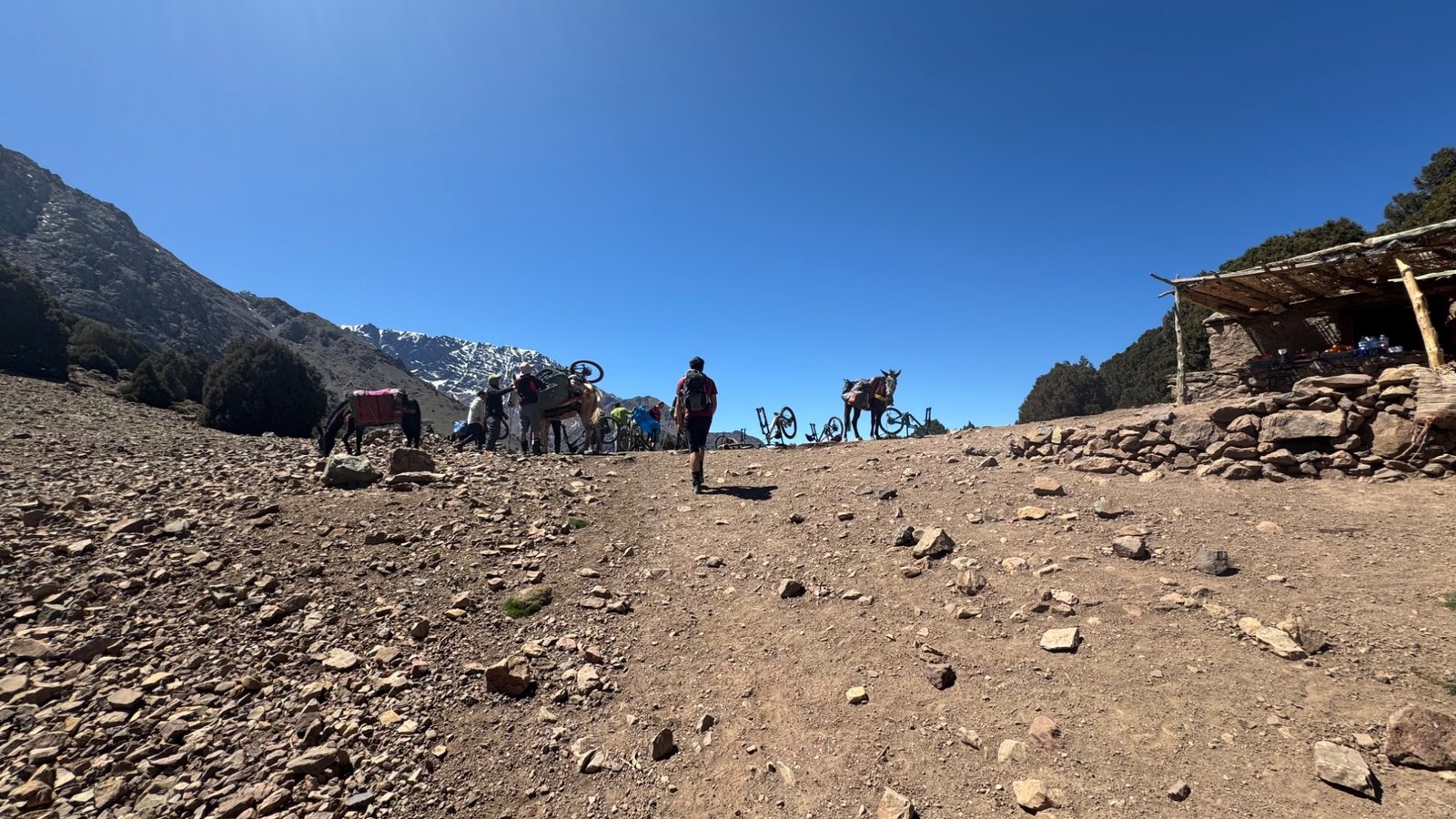
Mountain routes may be shared with walkers, residents, pack animals and other trail users. Slow down near villages, give people and animals plenty of space, follow local guidance and avoid blocking narrow paths. Stay on established routes and do not create shortcuts that damage fragile slopes or widen existing trails.
Conditions can change over a day or between valleys. Agree on communication and regrouping points, follow the guide's safety instructions, carry suitable personal supplies and be willing to alter the plan if weather, fatigue or trail conditions make a route inappropriate. Responsible riding includes knowing when to stop, walk a feature or choose an easier alternative.
Frequently asked questions
What is enduro mountain biking?
Enduro riding generally combines technical descents with climbs or transfers between trail sections. The balance varies by destination and itinerary. For a Morocco trip, ask how much climbing is pedalled, whether any sections use a shuttle or support vehicle, how technical the descents are and what riding standard is expected.
Do I need advanced riding skills for an enduro trip in Morocco?
Many enduro routes are best suited to confident riders who can manage loose ground, steep sections and changing surfaces. Difficulty varies, so describe your actual experience and ask for details about the hardest features, exposure, trail width and possible alternatives before booking.
What bike should I use for enduro riding?
The appropriate bike depends on the trail, your riding style and the itinerary. Confirm suspension condition, brake performance, tyre suitability, frame sizes and what equipment is available if hiring. If you bring your own bike, have it serviced and make sure it is suitable for the terrain planned.
Are shuttles included in enduro tours?
Shuttle and vehicle support arrangements differ between trips and routes. Ask which transfers are included, whether a vehicle can reach the intended trailheads, how bikes are transported and what happens if access or weather changes the plan. Do not assume every trail has vehicle access.
How should I prepare physically?
Build a foundation of regular riding, aerobic endurance and strength appropriate to your current fitness. Practise braking, cornering, looking ahead and controlling speed on familiar terrain. Multi-day trips also require enough recovery between rides, so gradually practise riding on consecutive days if that matches your planned itinerary.
When is the best time for enduro riding in Morocco?
The best timing depends on the region, trail elevation and current weather. Mountain mornings may be cool, lower areas can be hot, and rain or recent weather may affect traction and access. Discuss the intended area and dates with the organiser and confirm conditions close to departure.