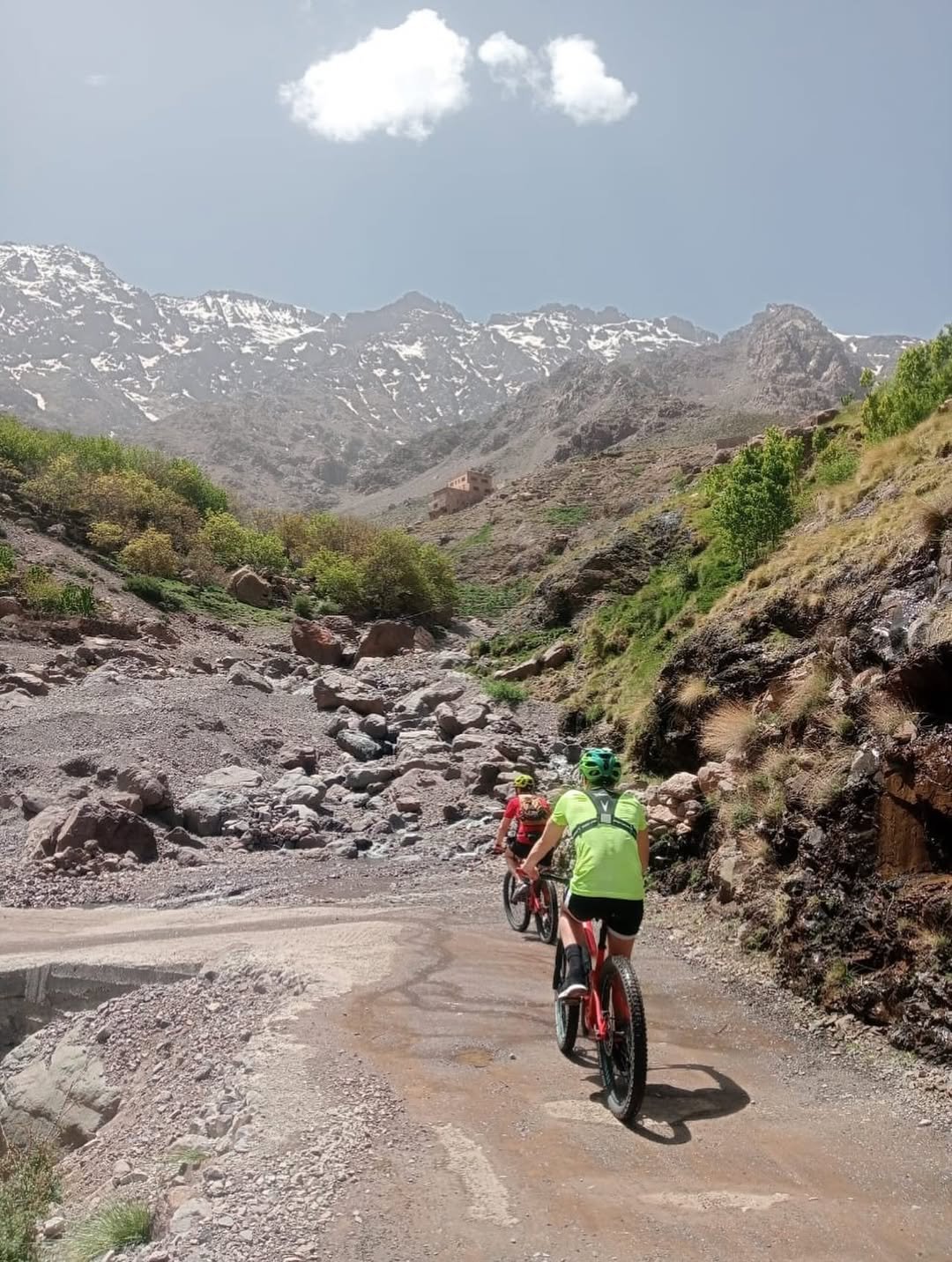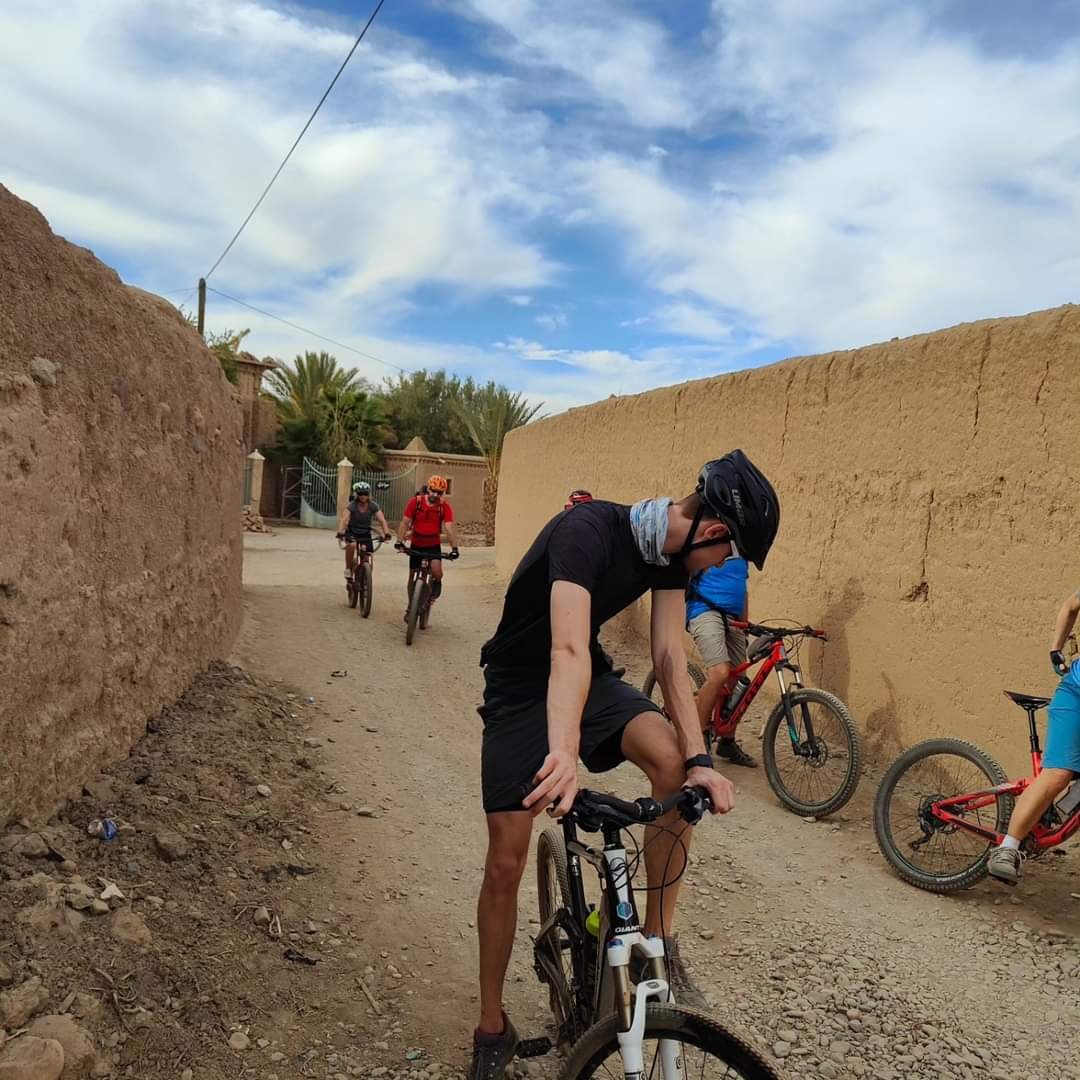
Road cycling in Morocco brings together rewarding climbs, wide mountain views, rural roads and opportunities to experience local life beyond the main tourist centres. The key to a successful trip is choosing routes that match your ability, allowing enough time for the terrain and preparing for changing conditions.
Why choose Morocco for a road cycling holiday?
Morocco is a destination of contrasts. A cycling journey can begin near Marrakech and continue towards the foothills of the Atlas Mountains, through agricultural valleys and into landscapes where traditional villages sit beneath dramatic mountain slopes. Each region offers a different combination of terrain, scenery and riding conditions.
For road cyclists, this variety creates opportunities for different styles of holiday. Strong endurance riders can plan demanding stages with significant elevation gain, while riders who prefer a more relaxed pace can build an itinerary around scenic day rides, village stops and shorter distances.
The appeal is not limited to the physical challenge. Road cycling also gives you the opportunity to slow down, stop for a local meal, explore a village and appreciate how the landscape changes throughout the day. Building these experiences into your schedule can make a cycling holiday more memorable than simply completing a set number of kilometres.
Decide whether you want mountain climbing, endurance riding, scenic routes or a mixture of cycling and cultural experiences. This will help determine the best region, daily distances and level of support for your trip.
The best regions for road biking in Morocco
Choosing the right region is one of the most important parts of planning a road cycling holiday. The best route for you depends on the type of terrain you enjoy, the amount of climbing you want to complete and how much time you have available.
The High Atlas Mountains
The High Atlas is an appealing option for cyclists seeking elevation, mountain scenery and physically demanding routes. Roads can climb steadily away from the valleys, with views changing as you gain height. These rides require careful preparation because distance alone does not reflect the effort involved.
Before choosing a mountain route, examine the elevation profile, gradient, expected riding time and availability of services. Consider the weather at the highest point as well as the conditions where you begin.
The valleys around the Atlas
Atlas valleys can offer a combination of mountain views, rural landscapes, agricultural terraces and traditional settlements. Depending on the route, a ride may include rolling terrain, sustained climbs or a series of shorter ascents and descents.
Valley routes can be a good foundation for an itinerary that balances cycling with local discovery. Research road surfaces, traffic and the distance between places to stop before setting out.
Marrakech and the surrounding countryside
Marrakech is a practical starting point for organising a cycling trip, arranging transport and reaching different landscapes. However, routes leaving the city can encounter urban traffic, so the departure route matters. Plan how you will reach quieter roads and where the ride will begin in earnest.
Rural roads and longer journeys
A multi-day road cycling trip can link different landscapes and communities into a single journey. This approach requires more logistics than a day ride, including overnight accommodation, luggage arrangements, daily resupply and a contingency plan if weather or road conditions change.
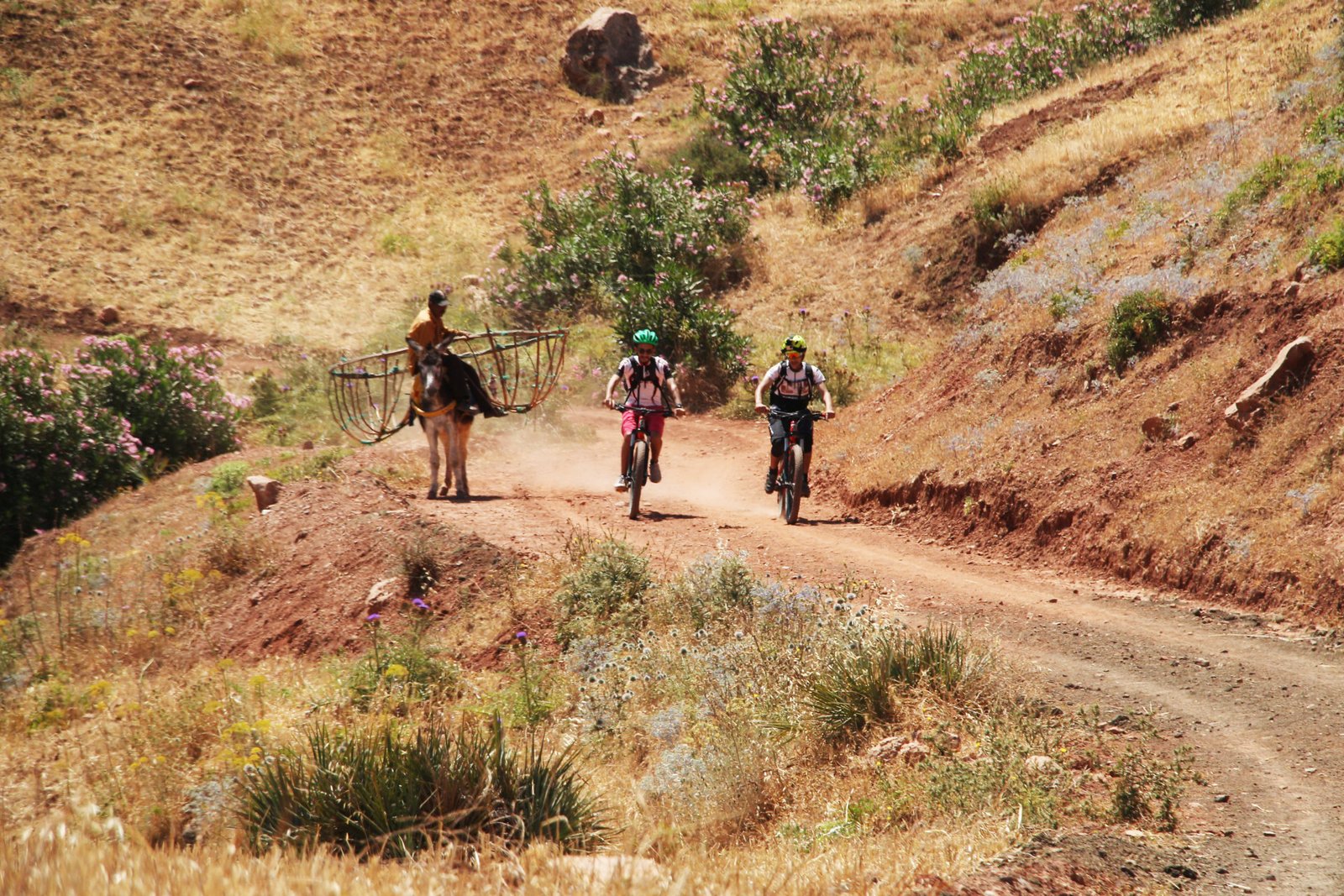
To explore more landscapes before selecting your itinerary, read our guide to scenic cycling routes in Morocco.
Road cycling and mountain climbs in the Atlas
The Atlas Mountains can provide some of the most rewarding riding in Morocco for cyclists who enjoy climbing. The experience is shaped by the length of the ascent, the gradient, the altitude and the road's condition. A route that looks short on a map can require several hours when it includes sustained climbing.
Understand elevation gain
When assessing a route, look beyond the total distance. A ride with several long climbs may demand more energy than a much longer route across rolling terrain. Review the elevation gain and the steepest sections, and compare them with rides you regularly complete at home.
If your holiday includes several consecutive riding days, leave enough recovery time between demanding stages. Fatigue can accumulate, particularly if you are unfamiliar with the altitude or have not recently completed long climbs.
Choose suitable gearing
Your gearing should allow you to climb at a sustainable cadence rather than forcing you to grind through steep sections. A professional bike check before departure can help identify problems with the drivetrain, brakes, tyres and fit before they become issues on the road.
Take descents seriously
Mountain descents require concentration and restraint. Keep a speed that allows you to respond to bends, surface changes, animals, parked vehicles and other road users. Check your brakes before the ride and avoid assuming that every section of road will have a clear surface or unobstructed visibility.
A rewarding mountain stage should challenge you without requiring you to ride beyond your limits. Choose realistic distances, carry sufficient supplies and have an alternative plan for changing weather or unexpected delays.
Road conditions, traffic and cycling safety
Road conditions vary between major roads, secondary routes and mountain areas. Depending on the itinerary, cyclists may encounter smooth tarmac, rough patches, loose material near the roadside, narrow sections or stretches with limited services. Traffic levels can also change considerably from one route to another.
A visually attractive route is not automatically the best route for road cycling. Check whether a road carries heavy traffic, whether there is sufficient space to ride safely and whether there are suitable alternatives. Current local information is particularly important when planning remote or unfamiliar mountain stages.
Practical safety habits
- Follow local road rules and ride predictably around other road users.
- Wear a properly fitted helmet and use front and rear lights when appropriate.
- Carry identification, a charged phone and offline navigation.
- Bring a multitool, pump or inflator, tyre levers and a compatible puncture repair solution.
- Carry enough water and nutrition for the distance between reliable refill points.
- Check the weather forecast and adapt your route if conditions become unsuitable.
- Share your planned route and expected return time, especially when riding in remote areas.
Mobile coverage may be limited in some areas, so do not depend entirely on live navigation. Download your route in advance, understand the main turns and know where you can stop or change your plan if necessary.
When is the best time to road bike in Morocco?
Spring and autumn are useful starting points for many road cycling holidays. However, there is no single ideal period for every region. Altitude, heat, wind, road conditions and the distance you plan to ride all affect which dates will work best.
Spring: prepare for changing mountain conditions
Spring can provide comfortable conditions in many areas, with landscapes that are attractive for scenic rides. Mountain mornings may still be cold, and high routes can experience unsettled weather. Bring layers and check conditions at the highest elevations on your itinerary.
Summer: manage heat and exposure
Hot weather can make exposed lowland rides demanding, particularly around the middle of the day. Consider early starts, shorter stages and a realistic hydration plan. Higher routes may offer different conditions, but altitude does not remove the need for sun protection and careful preparation.
Autumn: plan for cooler starts
Autumn can be a good option for mountain and rural cycling. Temperatures can change between lowland starts, high passes and evening stops, so pack layers and check the forecast for the actual dates and route.
Winter: check mountain access carefully
Lower routes may remain suitable for some rides, while higher areas can experience cold weather, snow or ice. Confirm that planned roads are suitable and accessible rather than assuming a mountain pass will be rideable.
Read our detailed guide to the best time to cycle in Morocco for further planning advice.
Choosing your road bike and essential equipment
A reliable, comfortable bike is more important than having the most expensive equipment. Your setup should suit your riding position, the road surfaces you expect to encounter and the climbing on your planned route.
Check your bike before travelling
- Inspect tyres, wheels, brakes and the drivetrain.
- Confirm that your gearing is suitable for the climbs.
- Check your saddle position and riding comfort.
- Carry spare tubes or a compatible tubeless repair kit.
- Bring a pump or inflator and a suitable multitool.
- Confirm airline rules if you are transporting your own bike.
Pack for temperature changes
A mountain ride can begin in mild conditions and become much colder as you climb or descend. A lightweight waterproof jacket, arm warmers, gloves and suitable layers can help you adapt. Include sun protection because exposure can remain high even when the air feels cool.
Plan food and hydration
Carry enough water for the planned distance between reliable refill points. On longer rides, familiar snacks and suitable ride nutrition can help maintain energy. Do not assume that shops, cafés or water supplies will always be available along rural or mountain roads.
For a more detailed packing list, visit our guide to what to pack for cycling in Morocco.
Guided or independent road cycling in Morocco?
Both options can work well. The right choice depends on your experience, how comfortable you are navigating unfamiliar roads and how much responsibility you want to take for organising accommodation, transport and support.
The benefits of a guided cycling trip
A guided tour can simplify route planning and help coordinate accommodation, transfers and daily logistics. Depending on the arrangement, support may include luggage transfers, a support vehicle or assistance with mechanical issues. Ask the organiser to explain exactly what is included.
Local route knowledge can also help you make better decisions about road selection, daily distances and alternative plans when conditions change. This can be especially useful on multi-day trips through unfamiliar mountain areas.
The flexibility of independent cycling
Independent travel gives you more freedom to adjust your schedule and decide where to stop. It also means taking responsibility for navigation, accommodation, food, water, mechanical repairs and contingency arrangements.
Before setting out independently, check the route, identify resupply points and make sure you have realistic alternatives if weather or road conditions make the original plan unsuitable.
How to plan a road cycling holiday in Morocco
A well-designed cycling itinerary balances the riding with recovery, transfers and time to enjoy the places you visit. Trying to maximise distance every day can leave little room for unexpected delays or the cultural experiences that make travel memorable.
1. Define your priorities
Decide whether you want a climbing-focused trip, scenic day rides, an endurance challenge or a multi-day journey through different regions. Your priorities will help determine where to start, how far to ride and how much support to arrange.
2. Set realistic daily distances
Consider elevation gain, gradient, road conditions and the number of consecutive days you will ride. A shorter mountain stage can require more time and energy than a longer route across gentler terrain. Include breaks and recovery time in your plan.
3. Arrange accommodation and transport
Decide where you will stay, how you will reach each stage and whether your luggage will travel with you. If you bring your own bike, allow time for assembly, adjustment and a mechanical check before the first major ride.
4. Plan for changing conditions
Review the forecast, identify alternative routes and agree on what happens if a stage needs to be shortened. On remote rides, understand how you would get assistance if you encounter a mechanical problem, injury or unexpected delay.
5. Make time for the experience
Morocco offers more than challenging roads. Leave room for village stops, local meals, scenic viewpoints and evenings spent recovering after a rewarding day in the saddle. A thoughtful itinerary should make space for both the cycling and the destination.
The best itinerary is one that matches your ability, provides realistic daily stages and leaves room to enjoy Morocco beyond the bike.
Frequently asked questions about road biking in Morocco
Is Morocco a good destination for road biking?
Morocco offers varied landscapes for road cyclists, including mountain roads, rural valleys, open countryside and routes around Marrakech. The best experience depends on your preferred terrain, fitness, season and route selection.
Can I road cycle in the Atlas Mountains?
Yes. The Atlas Mountains offer challenging climbs, long descents and expansive scenery. Plan around elevation gain, gradients, weather, road conditions and the availability of food, water and support.
What is the best time for road cycling in Morocco?
Spring and autumn are useful starting points for many cycling itineraries. Conditions vary by region and altitude, so check the forecast and the specific roads you plan to ride before travelling.
Is road cycling in Morocco suitable for beginners?
Some routes may suit less experienced cyclists, but mountain stages can involve sustained climbing, fast descents and long stretches between services. Choose distances and elevation gain that match your current fitness and experience.
Should I bring my own road bike?
You can travel with your own bike or investigate rental options in advance. If bringing your bike, check airline requirements, inspect the bike after transport and carry compatible tools and essential spare parts.
Is a guided road cycling tour worth it?
A guided tour can simplify navigation, accommodation, transfers and route planning. Depending on the arrangement, it may also provide luggage transfers or mechanical support. Confirm which services are included before booking.
How should I prepare for mountain climbs?
Build endurance before travelling, practise sustained climbing and use gearing that suits your fitness. Review the elevation profile, pace yourself, carry enough water and nutrition, and allow time to recover between demanding stages.